Fire in Daily Life
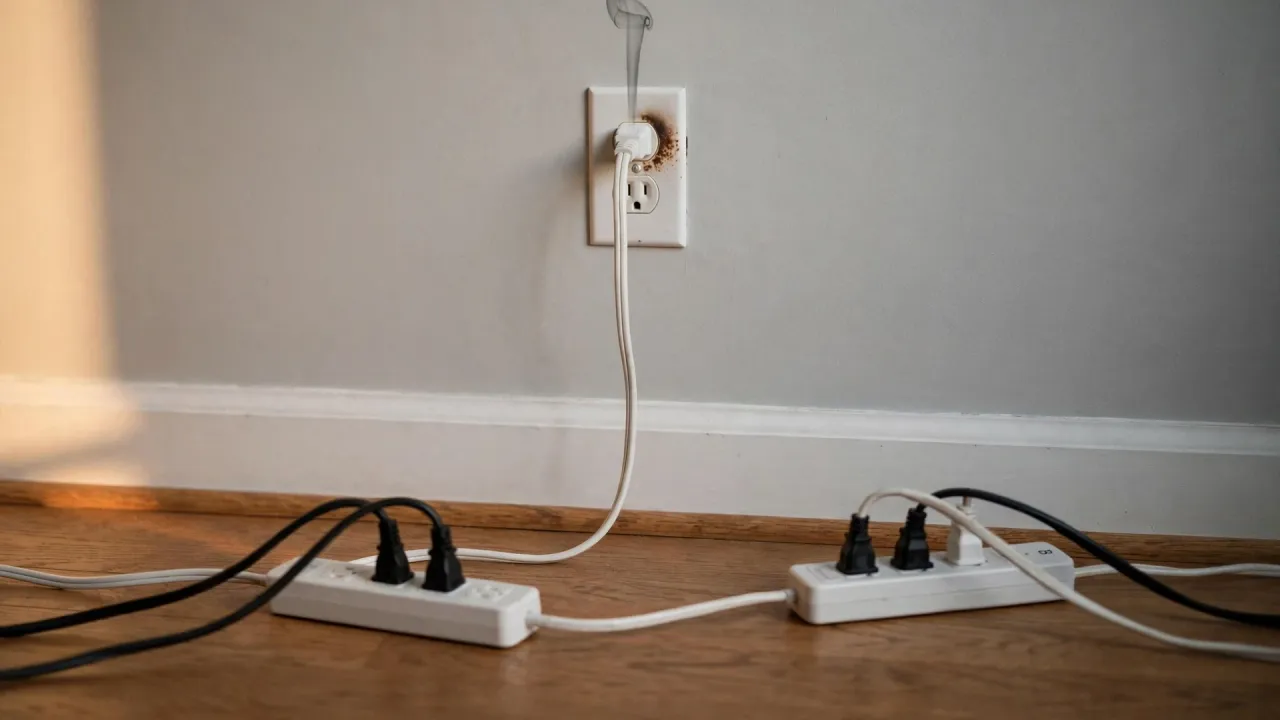
Overloaded Power Strip: How a Daisy Chain Starts a Wall Fire
A power strip fire rarely starts in the cord. It starts at a worn contact that no breaker can see. Learn the physics of daisy chains and how to stay safe.
Practical fire safety for home and work.
Fire in Daily Life
A power strip fire rarely starts in the cord. It starts at a worn contact that no breaker can see. Learn the physics of daisy chains and how to stay safe.
Fire in Daily Life
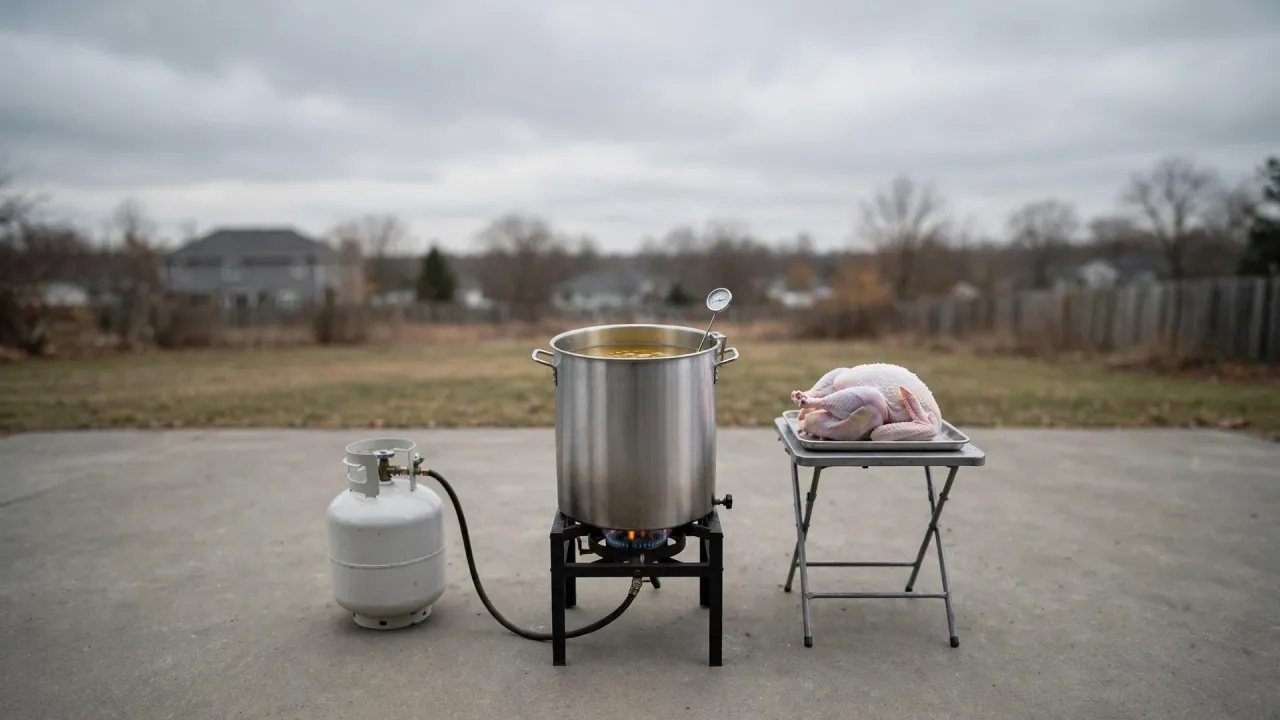
A turkey fryer holds five gallons of hot oil over an open flame. See why 100 g of ice makes 200 L of steam, how pots overflow, and how to fry safely.
Fire in Daily Life
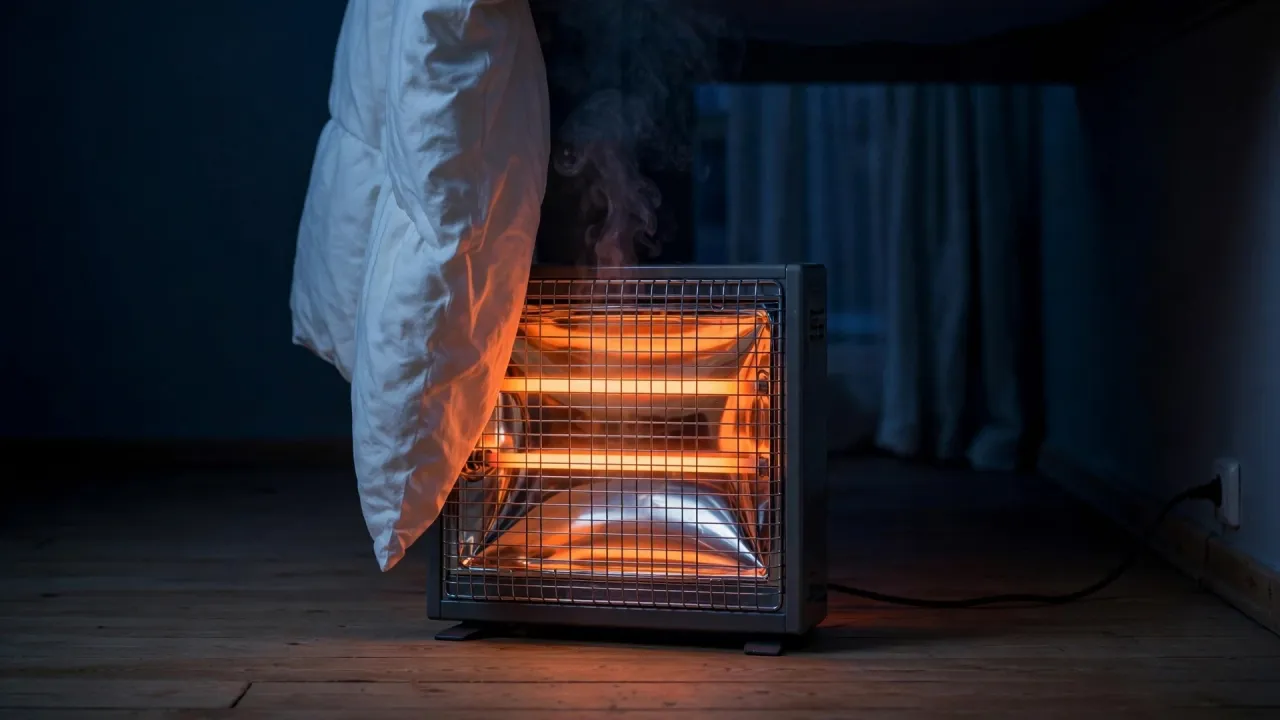
A space heater starts a small share of US home heating fires but causes most of the deaths. Radiant heat, tip-over physics and sleep explain why.
Fire in Daily Life
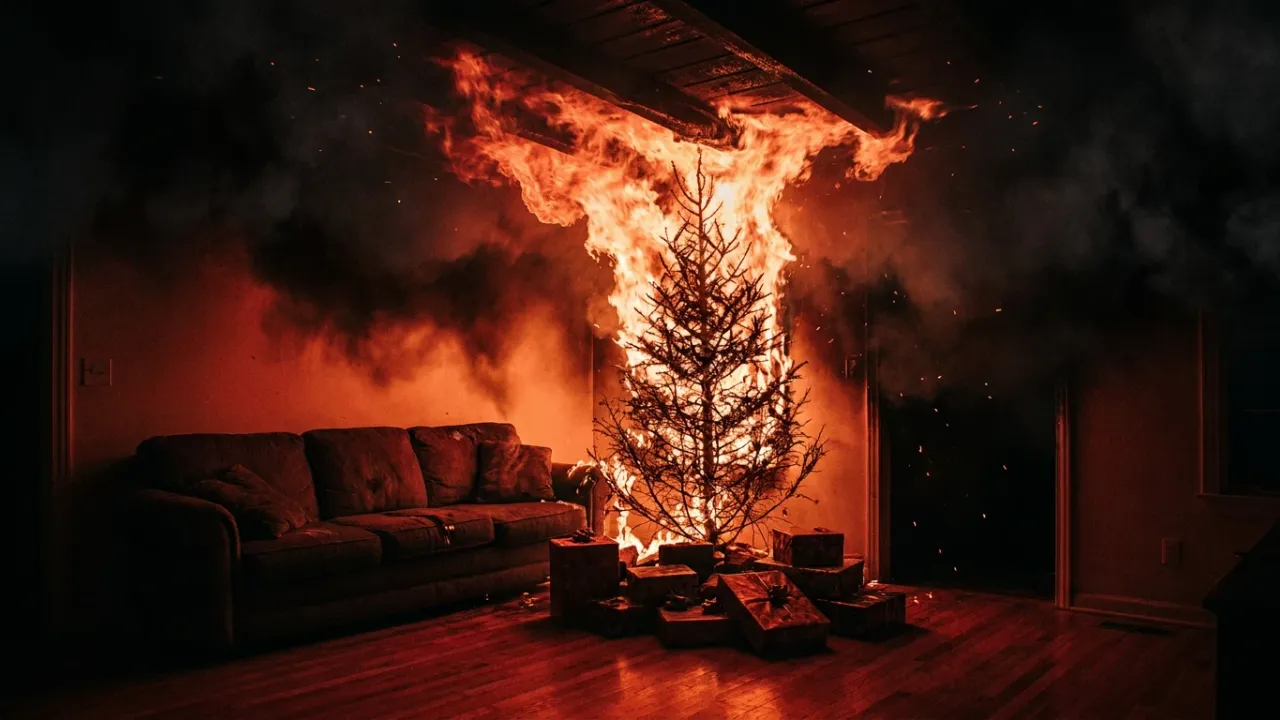
A dry Christmas tree fire can hit 7 megawatts and flash a whole room in under a minute. Here is the NIST science, second by second, and why water stops it.
Fire in Daily Life
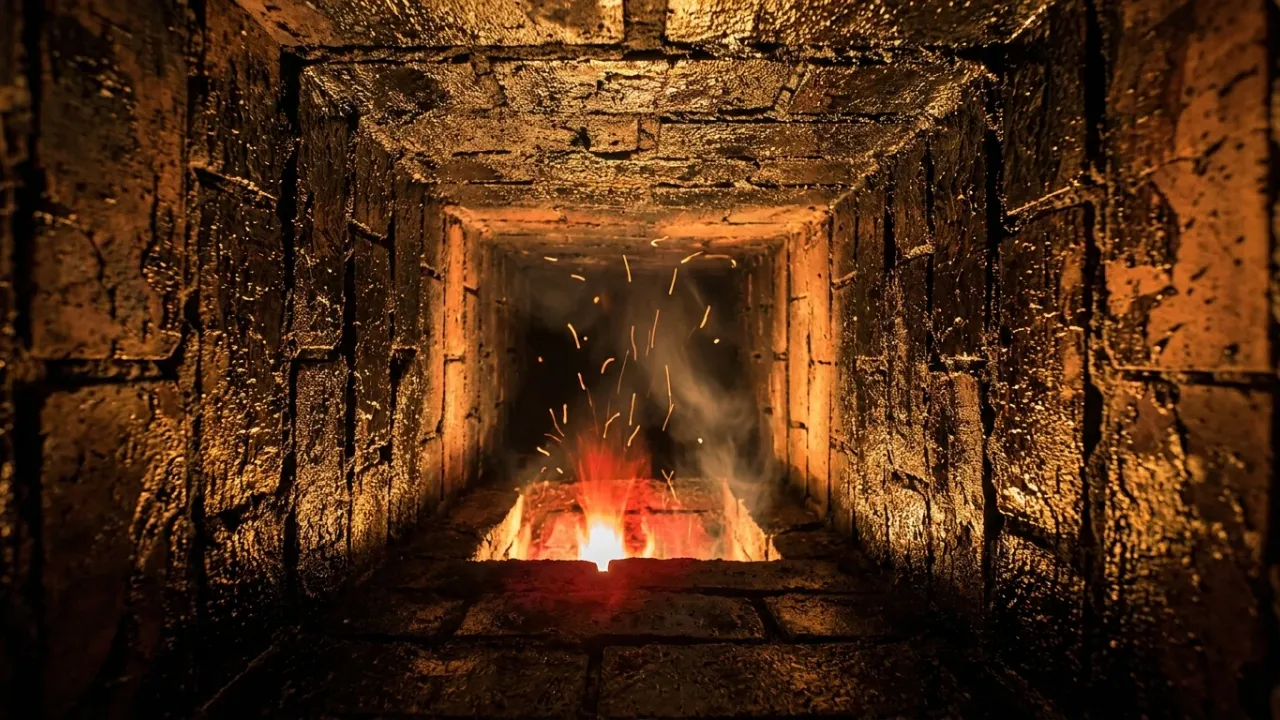
A chimney fire can hit 1090 °C and crack a clay flue liner in minutes. Here is the creosote science behind it, and why an annual sweep stops it.
Fire in Daily Life
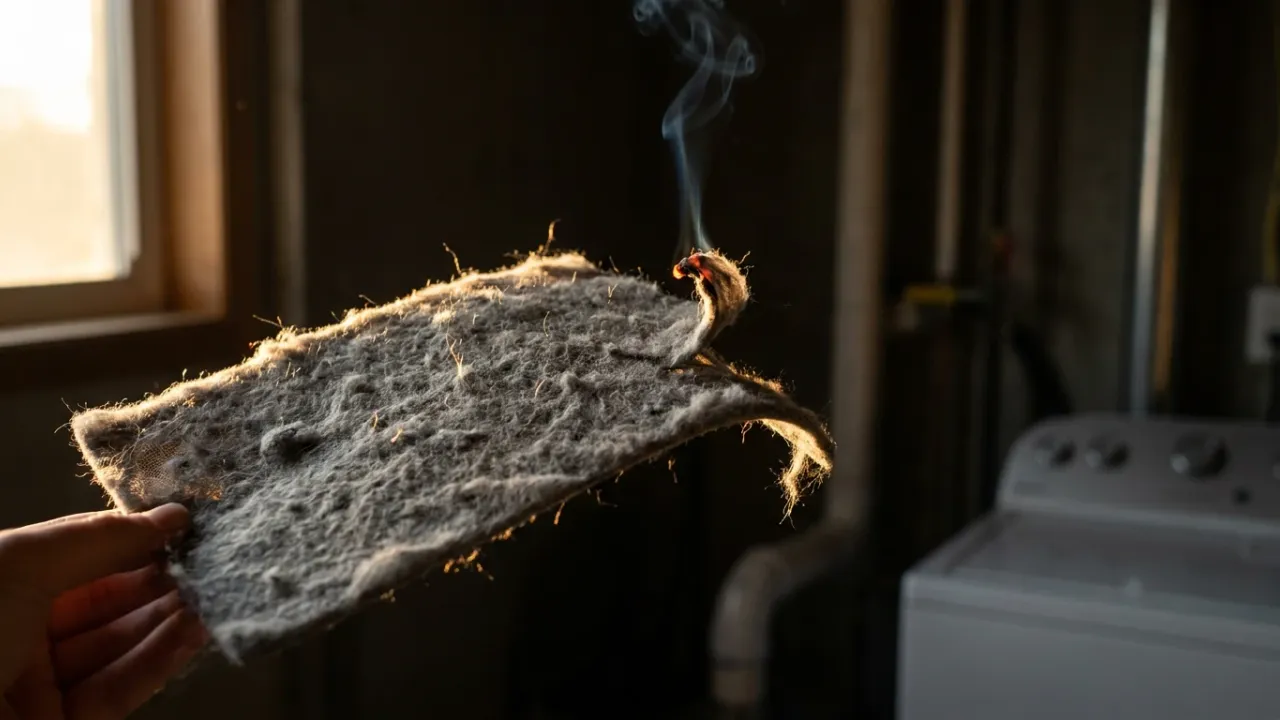
A dryer fire almost always starts with lint. Here is the surface-area physics that turns soft fluff into fast fuel, plus the simple habit that prevents it.
Fire in Daily Life
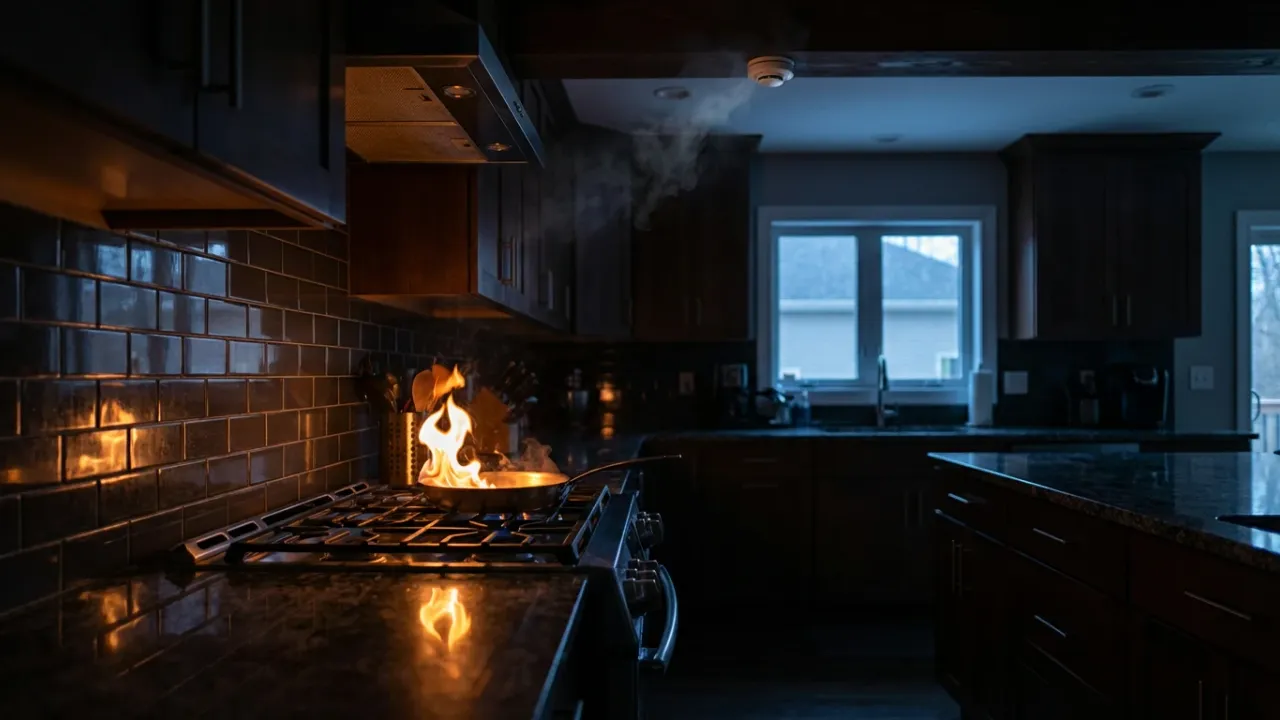
A kitchen fire starts when cooking oil creeps up to its 368 °C autoignition point. Here's the physics of why water makes a burning pan catastrophically worse.