Wildfire Science
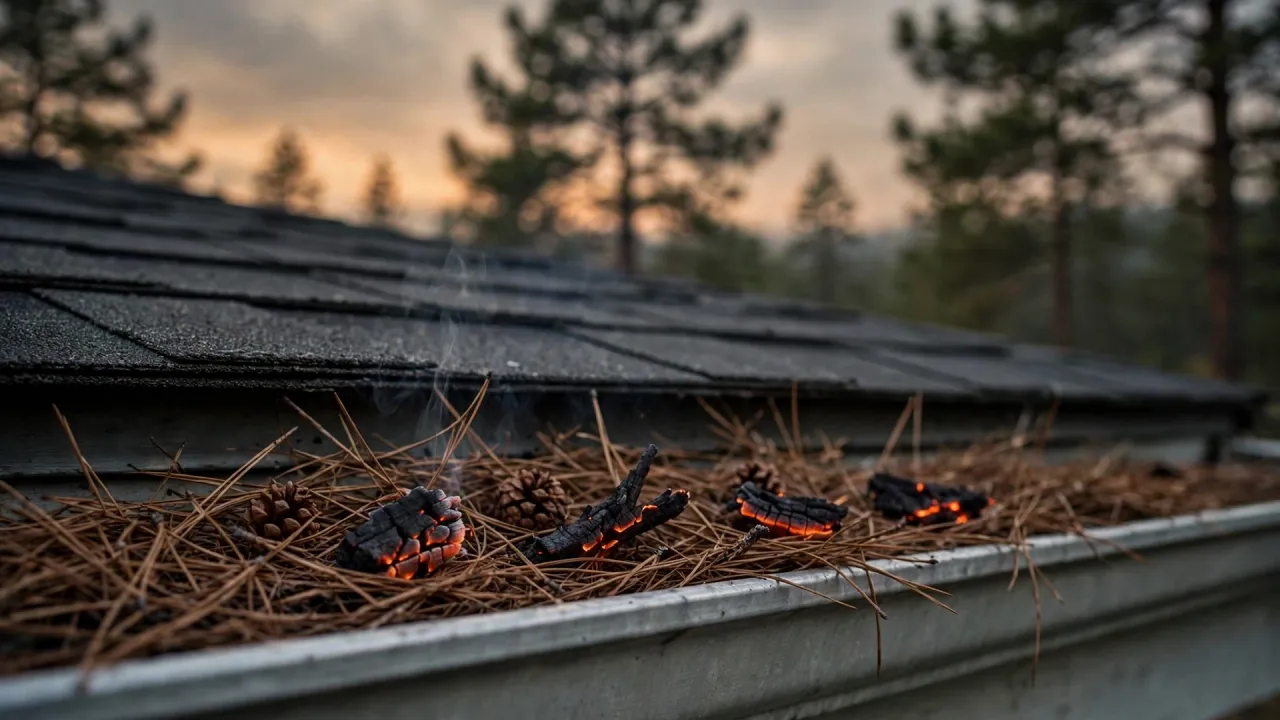
Home Hardening: Why Embers, Not Flames, Burn Down Houses
Most homes lost to wildfire never meet the flame front. See how embers get in, what home hardening buys in the field data, and where it stops working.
Every PyroRisk article, newest first.
Wildfire Science
Most homes lost to wildfire never meet the flame front. See how embers get in, what home hardening buys in the field data, and where it stops working.
Fire Case Studies
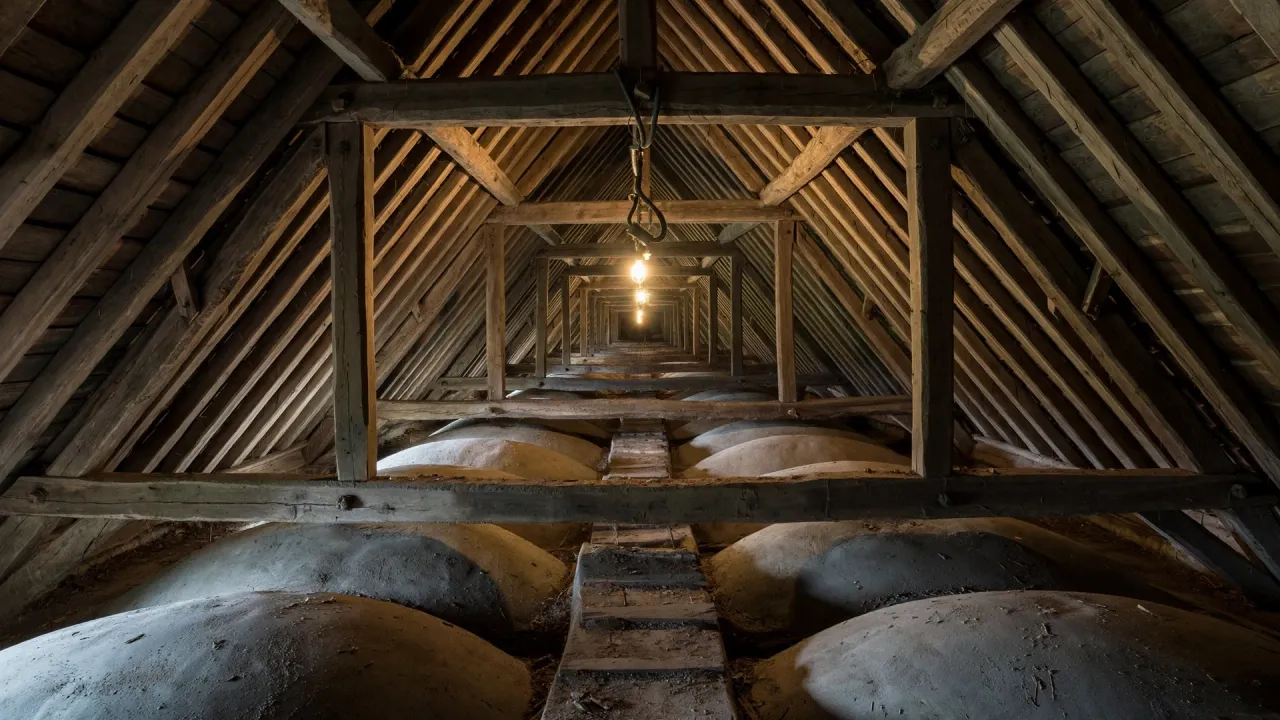
The 2019 Notre-Dame fire grew for half an hour in a 100 m oak attic before anyone called firefighters. See the fuel, the lead, the vaults and the rebuild.
Fire Case Studies
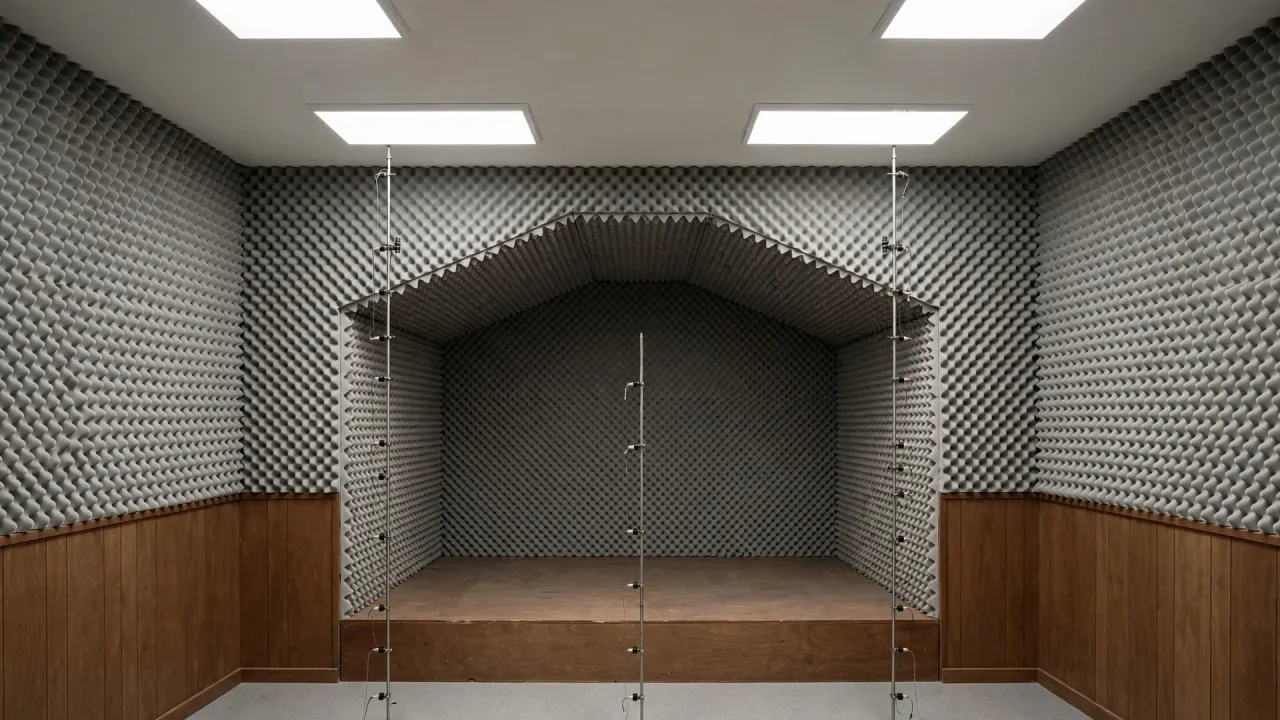
The Station nightclub fire killed 100 people in 2003. See how stage gerbs, acoustic foam and one narrow inner door left the crowd about 90 seconds to escape.
Fire Case Studies
The Grenfell Tower fire began as a kitchen fire. See how polyethylene cladding, a stay-put plan that outlived the building and gamed tests killed 72 people.
Fire in Daily Life
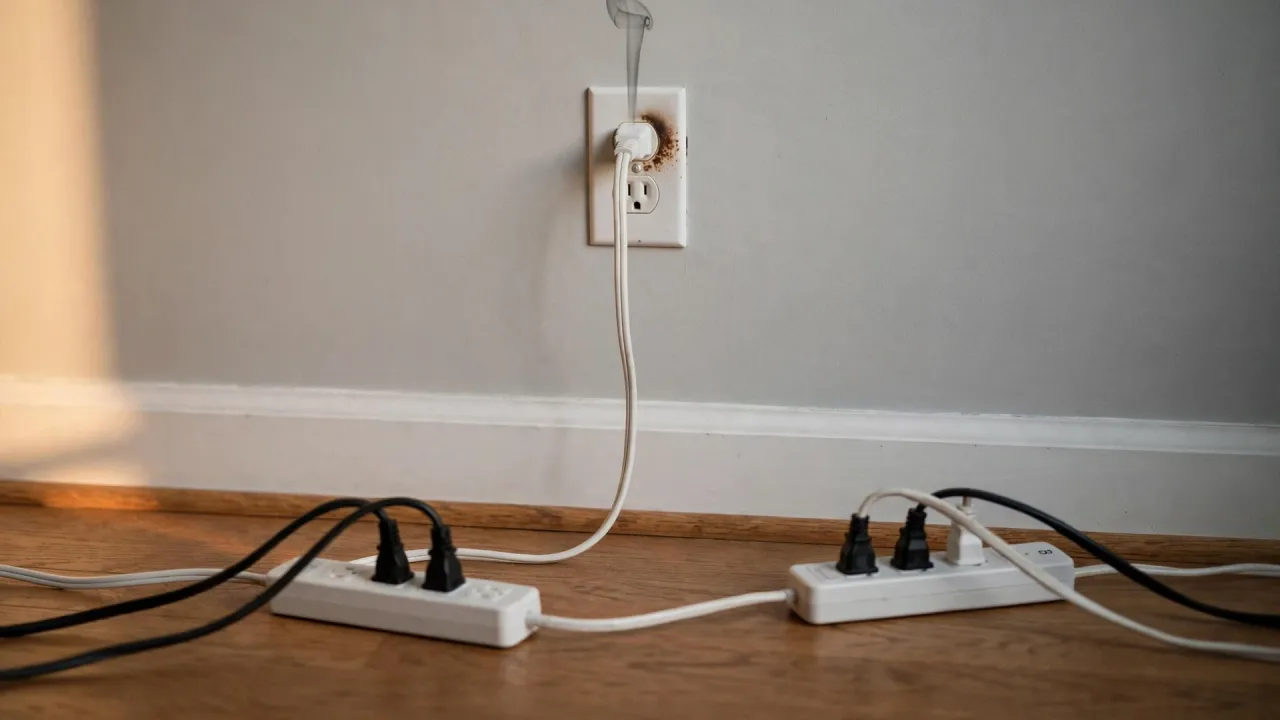
A power strip fire rarely starts in the cord. It starts at a worn contact that no breaker can see. Learn the physics of daisy chains and how to stay safe.
Fire in Daily Life
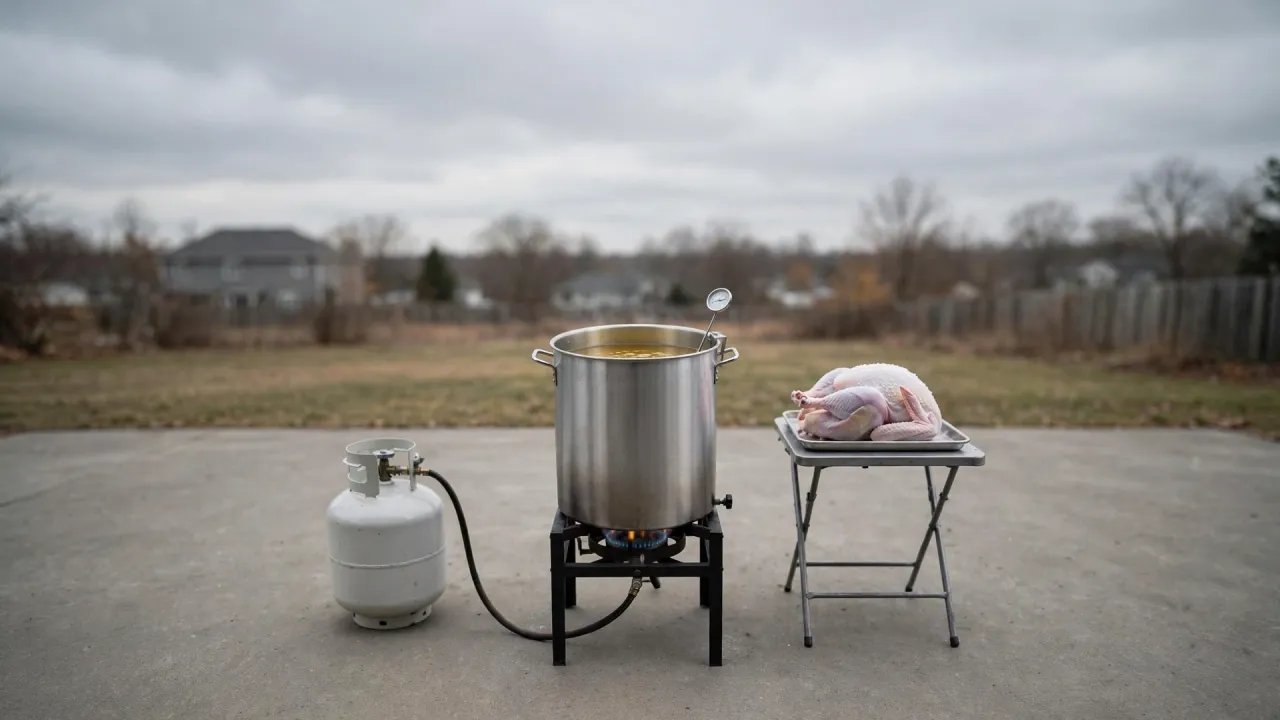
A turkey fryer holds five gallons of hot oil over an open flame. See why 100 g of ice makes 200 L of steam, how pots overflow, and how to fry safely.
Fire in Daily Life
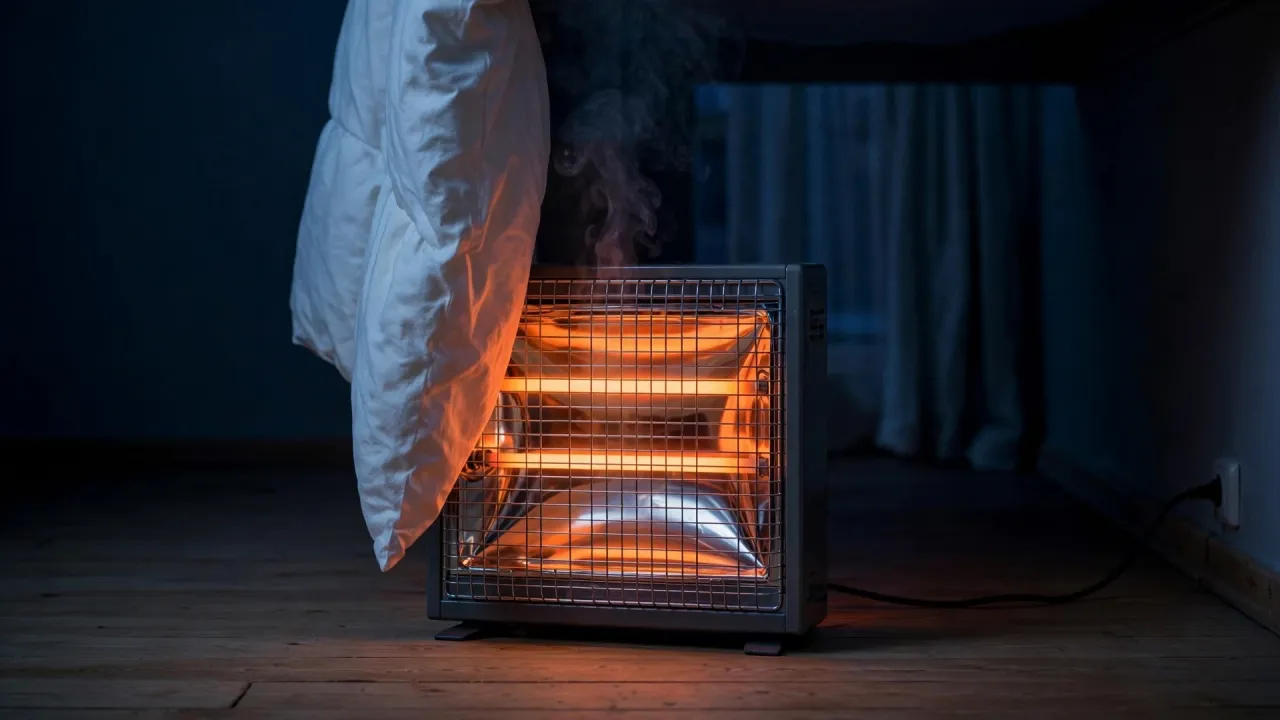
A space heater starts a small share of US home heating fires but causes most of the deaths. Radiant heat, tip-over physics and sleep explain why.
Fire Safety Engineering
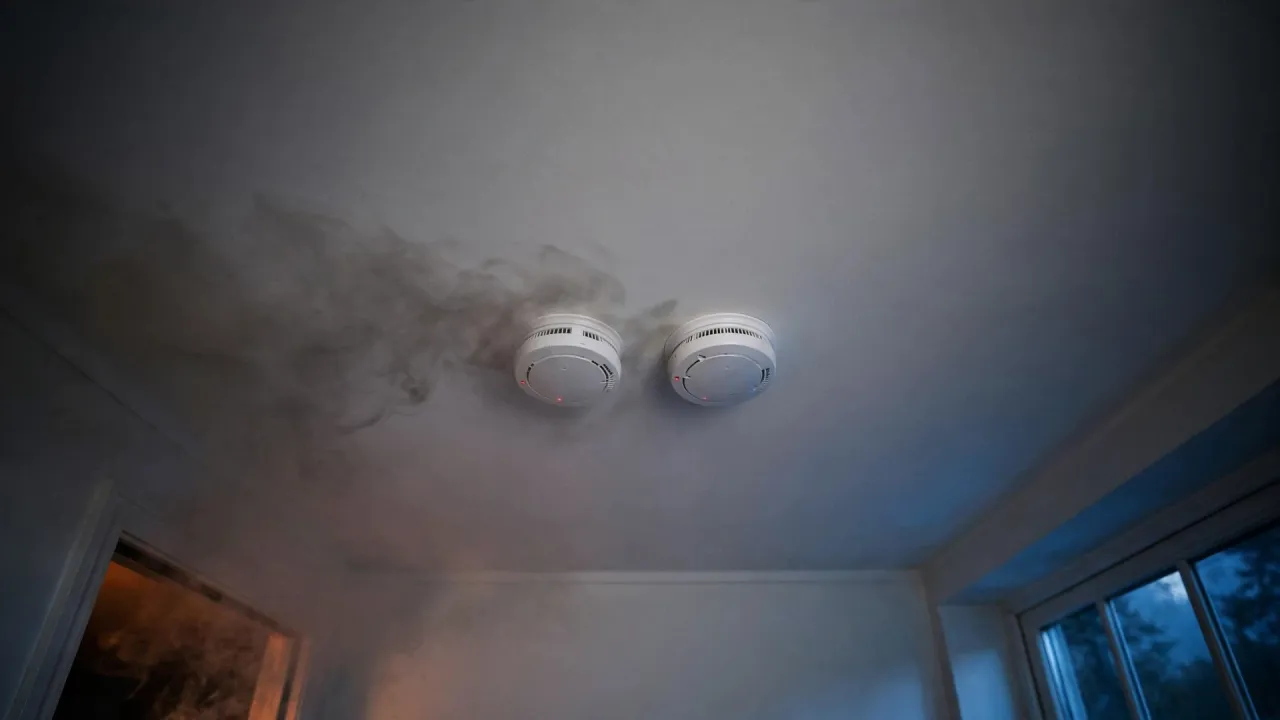
Ionization alarms beat a photoelectric smoke alarm by seconds in flaming fires, then lose by 30 minutes in smoldering ones. Here is why experts still split.
Fire Safety Engineering
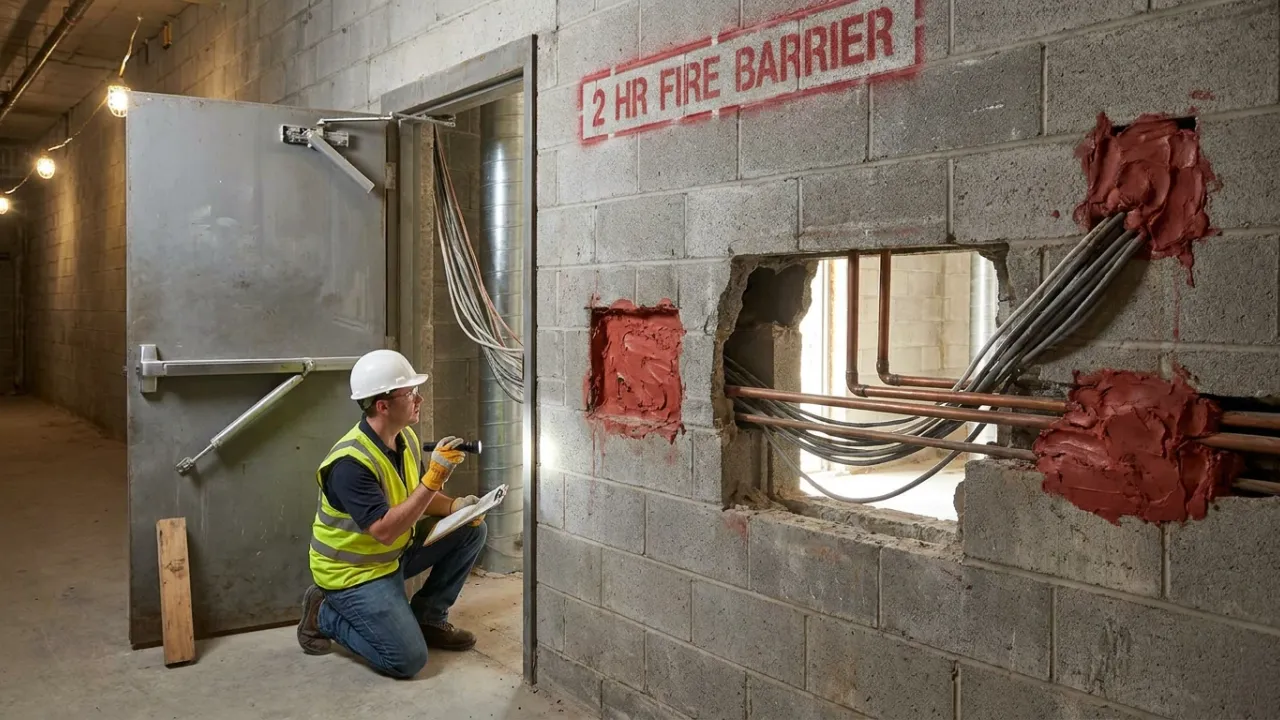
A 2-hour fire resistance rating means a wall survived a 1918 furnace curve, not a real fire. Here is what the test proves, and where it falls short.
Fire Safety Engineering
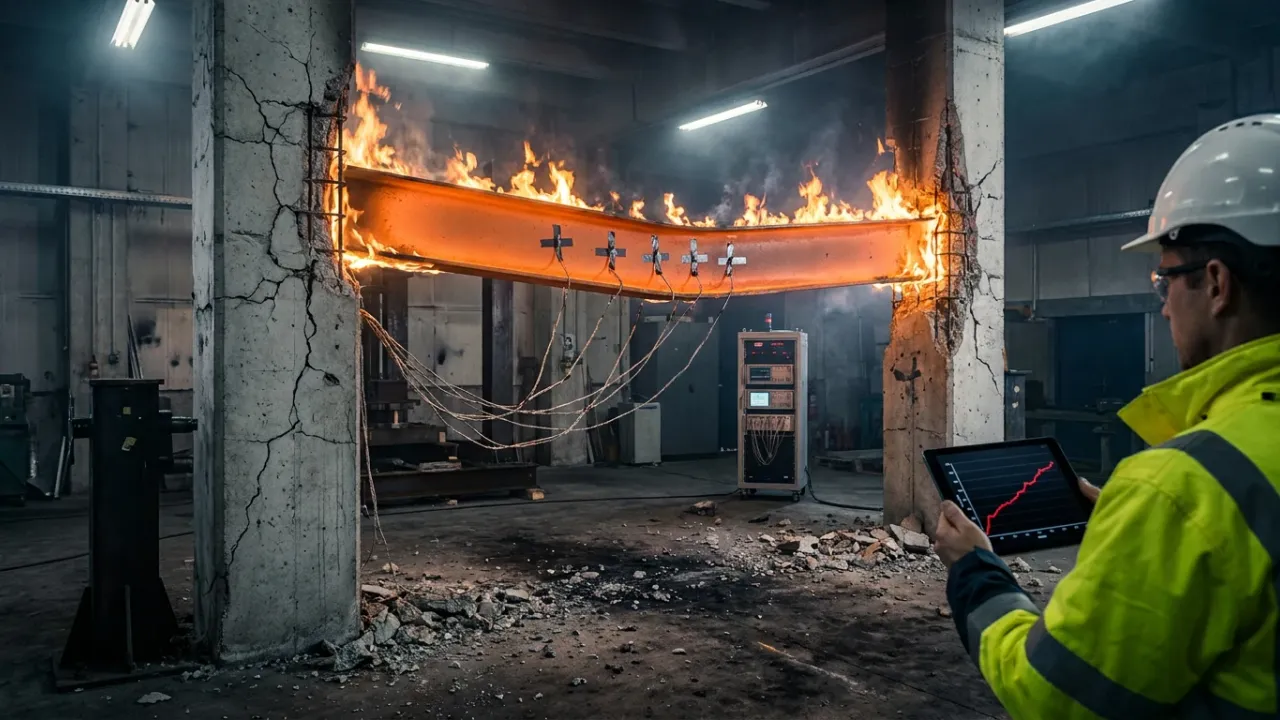
The 550 °C critical temperature of steel comes from a load ratio, not from metallurgy. Here is the real physics, and why hot concrete explodes.

Fire Risk Assessment
The Mont Blanc tunnel fire killed 39 people in 1999. Here come the event trees, design fires, critical velocity and F-N lines that now govern tunnel QRA.

Fire Risk Assessment
ALARP turns a 1949 mining case into a legal test. Here come the tolerability limits, the gross disproportion arithmetic, and how a BESS case uses them.