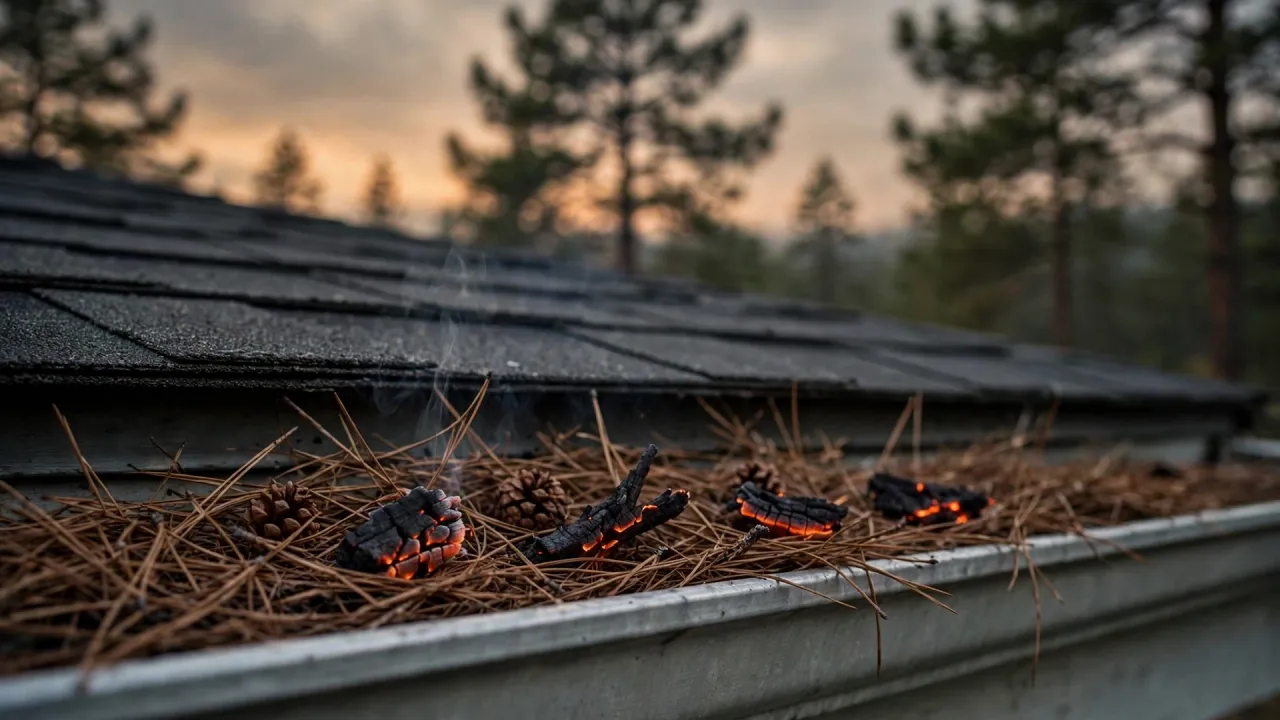
Latest article · Wildfire Science
Home Hardening: Why Embers, Not Flames, Burn Down Houses
Most homes lost to wildfire never meet the flame front. See how embers get in, what home hardening buys in the field data, and where it stops working.
Fire Science Knowledge Hub
In-depth, free explainers on combustion, fire testing, battery safety and risk assessment, built on standards and peer-reviewed research.
Popular: Thermal runaway Flashover Cone calorimeter Smoke alarms Fire resistance
By Duy Cuong DINH, fire safety researcher at Institut Pprime
Latest article · Wildfire Science
Most homes lost to wildfire never meet the flame front. See how embers get in, what home hardening buys in the field data, and where it stops working.
Fire Case Studies
Fire Case Studies
Fire Case Studies
Three short courses built from PyroRisk articles. Each one starts simple and ends where the engineering begins.
Start here
What fire is, how solids feed it, and how fast it grows.
Battery users and engineers
How lithium-ion cells fail, spread fire, warn you and can be put out.
Engineers and students
How engineers test materials, time evacuations and decide how safe is safe enough.
< 4 min
A modern furnished room can flash over in under 4 minutes, against 29 minutes for 1950s furnishings.
Read why: The Science of Fire: What You Think You Know Is Wrong20–80×
Fewer fires per registered electric car than per gasoline car, across five national datasets.
Read why: Are EV Fires Really More Common Than Gas Car Fires?268
Lithium-ion battery fires in New York City in 2023, which killed 18 people.
Read why: NYC's 2023 Battery Fires: 268 Incidents, 18 Deaths1918
The year of the furnace curve that still defines a "2-hour" fire resistance rating.
Read why: 2-Hour Fire Wall: What a Fire Resistance Rating MeasuresThe physics behind the fires that start in kitchens, laundry rooms and living rooms, and what prevents them.
Fire in Daily Life
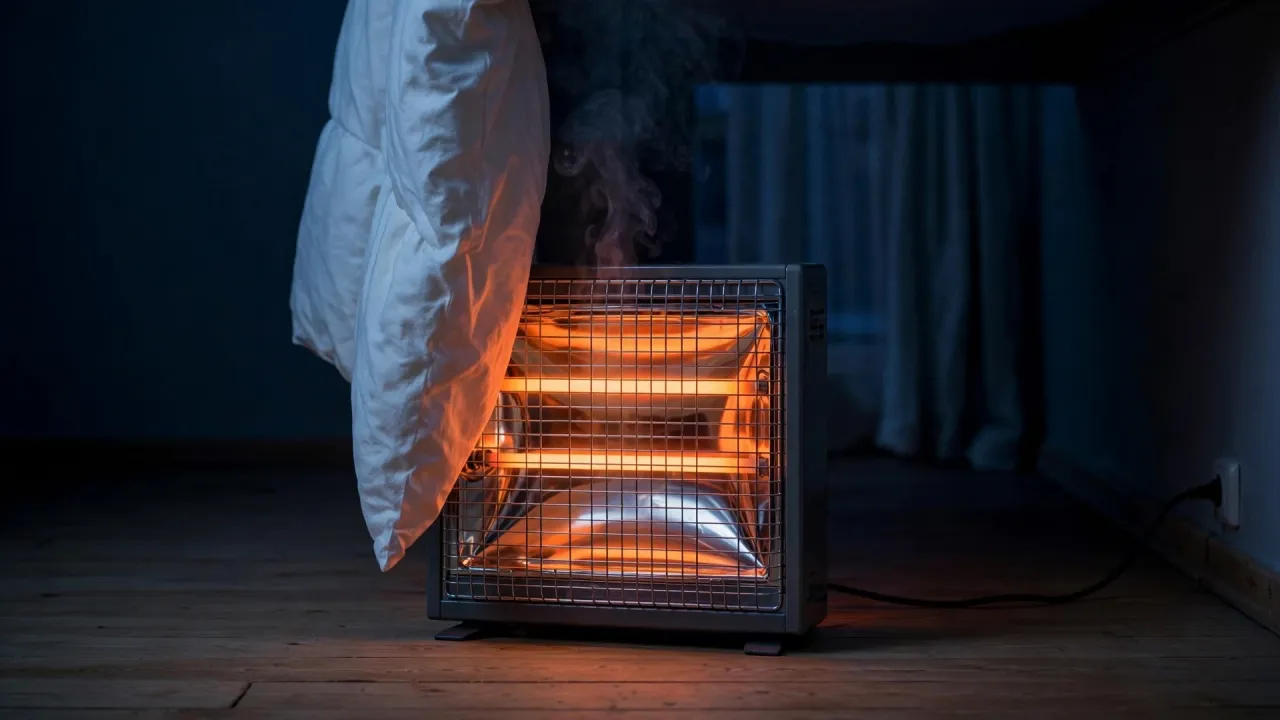
A space heater starts a small share of US home heating fires but causes most of the deaths. Radiant heat, tip-over physics and sleep explain why.
Fire in Daily Life
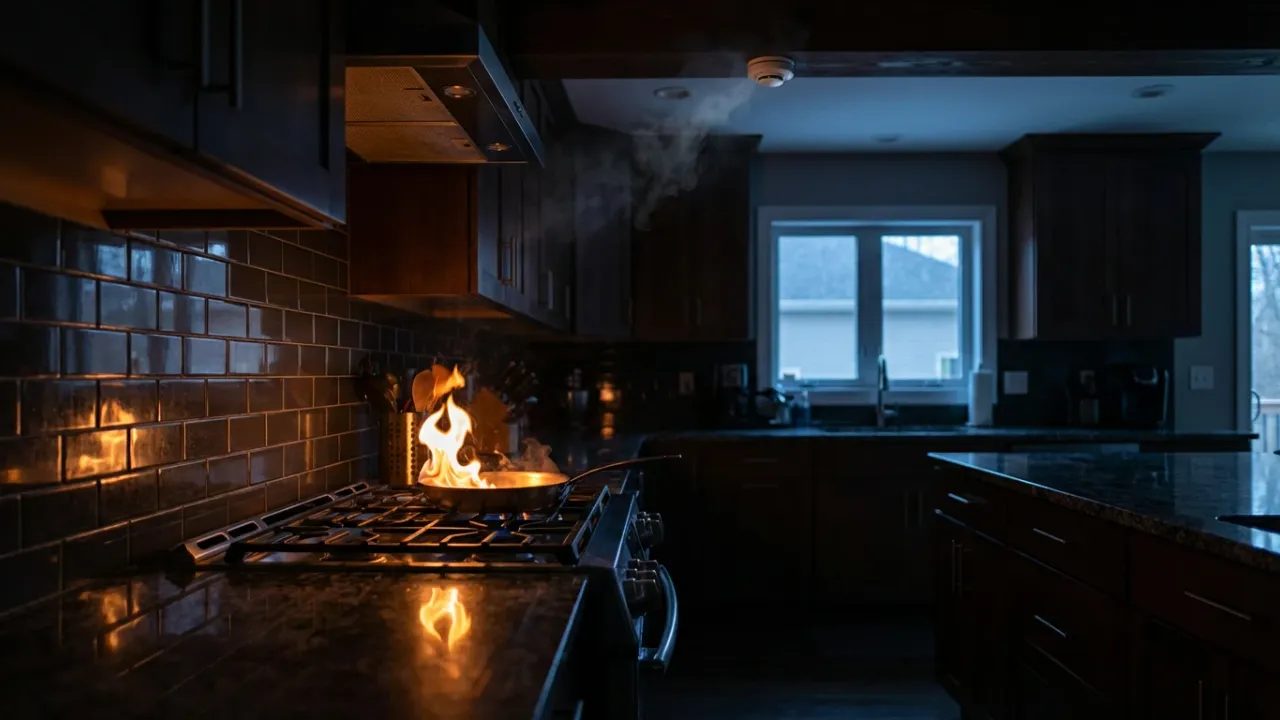
A kitchen fire starts when cooking oil creeps up to its 368 °C autoignition point. Here's the physics of why water makes a burning pan catastrophically worse.
Fire Safety Engineering
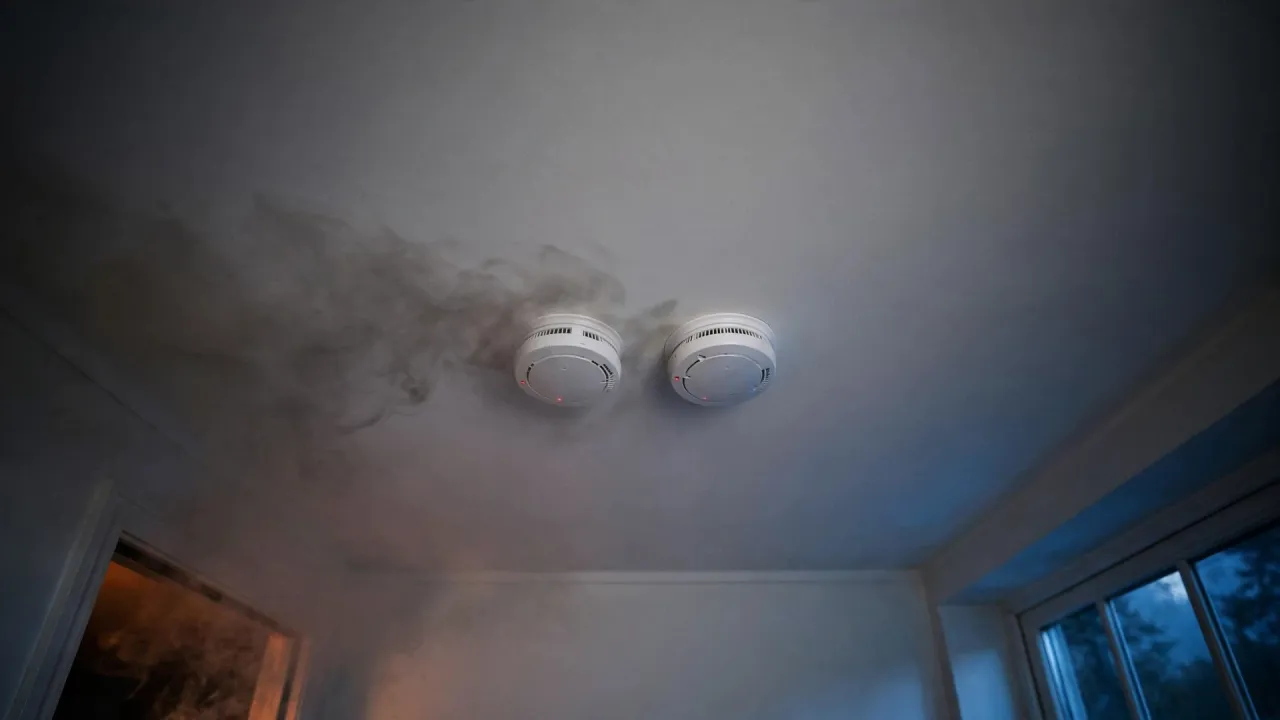
Ionization alarms beat a photoelectric smoke alarm by seconds in flaming fires, then lose by 30 minutes in smoldering ones. Here is why experts still split.
Fire in Daily Life
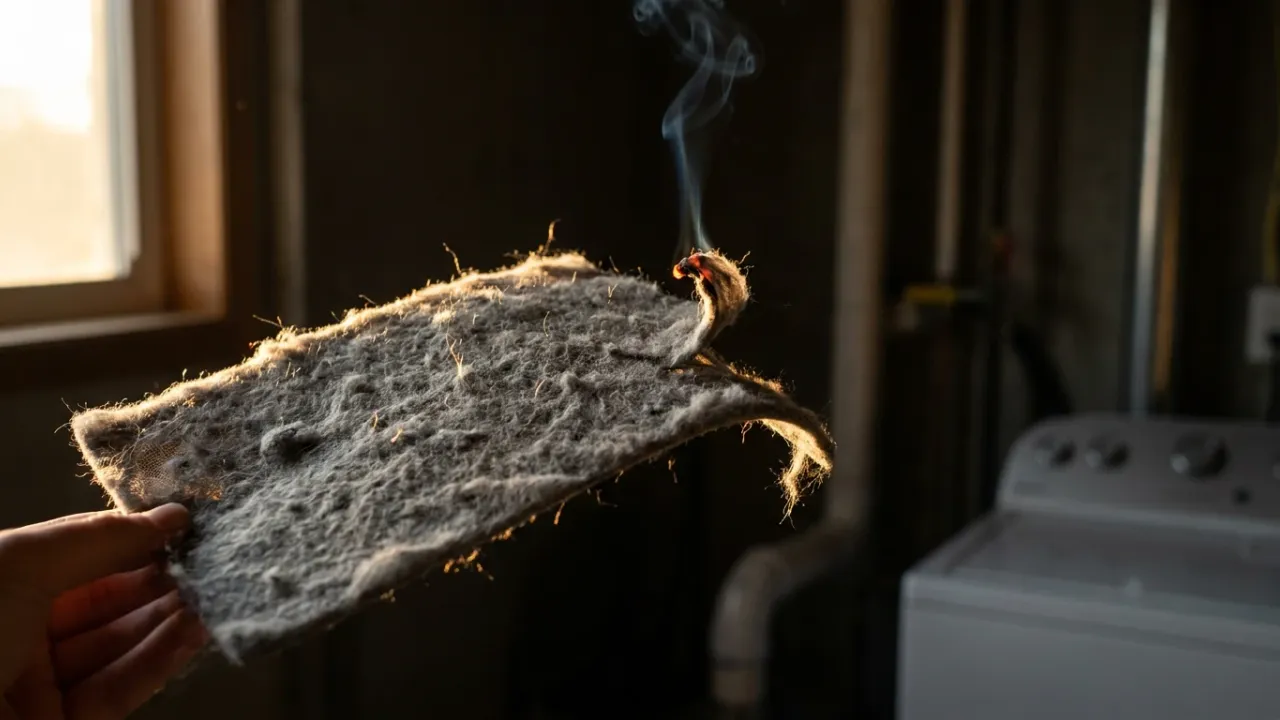
A dryer fire almost always starts with lint. Here is the surface-area physics that turns soft fluff into fast fuel, plus the simple habit that prevents it.
Short answers drawn from the full articles. Open a question, then follow it to the analysis behind it.
No. Across U.S., Swedish, Australian, Norwegian, and Polish data, electric vehicles catch fire 20 to 80 times less often than gasoline cars per registered vehicle. EV fires are harder to extinguish, however, because a battery in thermal runaway generates its own heat and oxygen.
Read the full analysis: Are EV Fires Really More Common Than Gas Car Fires?
Flashover happens when the hot smoke layer under the ceiling reaches roughly 500 to 600 °C and radiates about 20 kW/m² down onto the room, so every exposed combustible surface ignites almost at once. A dry Christmas tree releases enough heat to flash over a living room in under a minute.
Read the full analysis: Christmas Tree Fire: Flashover in 60 Seconds Explained
Yes — a LiPo battery is a lithium-ion battery. The "polymer" refers only to the gel electrolyte and pouch packaging, not to a different chemistry, so LiPo cells carry the same thermal-runaway fire risks as any other lithium-ion cell.
Read the full analysis: Why a LiPo Battery Is Really a Lithium-Ion Battery
Lint is finely divided cellulose with an enormous surface-area-to-mass ratio, so it ignites easily and burns fast. When it accumulates around the heater and vent duct, one hot spot is enough — which is why most dryer fires start with lint, and why cleaning the filter every load matters.
Read the full analysis: Dryer Fire Science: The Physics of Why Lint Ignites
In most fatal fires, victims are overcome by toxic gases before flames ever reach them. Carbon monoxide and hydrogen cyanide concentrate in the hot upper smoke layer, and a few breaths of it can incapacitate — which is why staying low and getting out early decides survival.
Read the full analysis: Smoke Inhalation: Why the Upper Layer Kills You First
Combustion, flames, pyrolysis, and heat transfer.
Cone calorimetry, FTIR, fire test standards.
Li-ion thermal runaway and abuse testing.
Risk analysis methods and case studies.
Suppression, detection, regulation, building codes.
Practical fire safety for home and work.
Embers, wildland-urban interface fires and why some homes survive.
Real fires, read through the science, and what they changed.
About the author
Postdoctoral researcher in fire safety, Institut Pprime, Université de Poitiers
My research focuses on battery fire safety, thermal runaway and fire testing methodology. PyroRisk turns that work, and the standards and data behind it, into articles anyone can read.
Built on primary sources
Standards, test data and peer-reviewed studies come first.
Every claim is linked
Each fact links to its source, so you can check it yourself.
Free and independent
No paywall and no sponsored posts.
Get new articles on fire science and safety in your inbox.
No spam. Unsubscribe anytime.