Fire Fundamentals
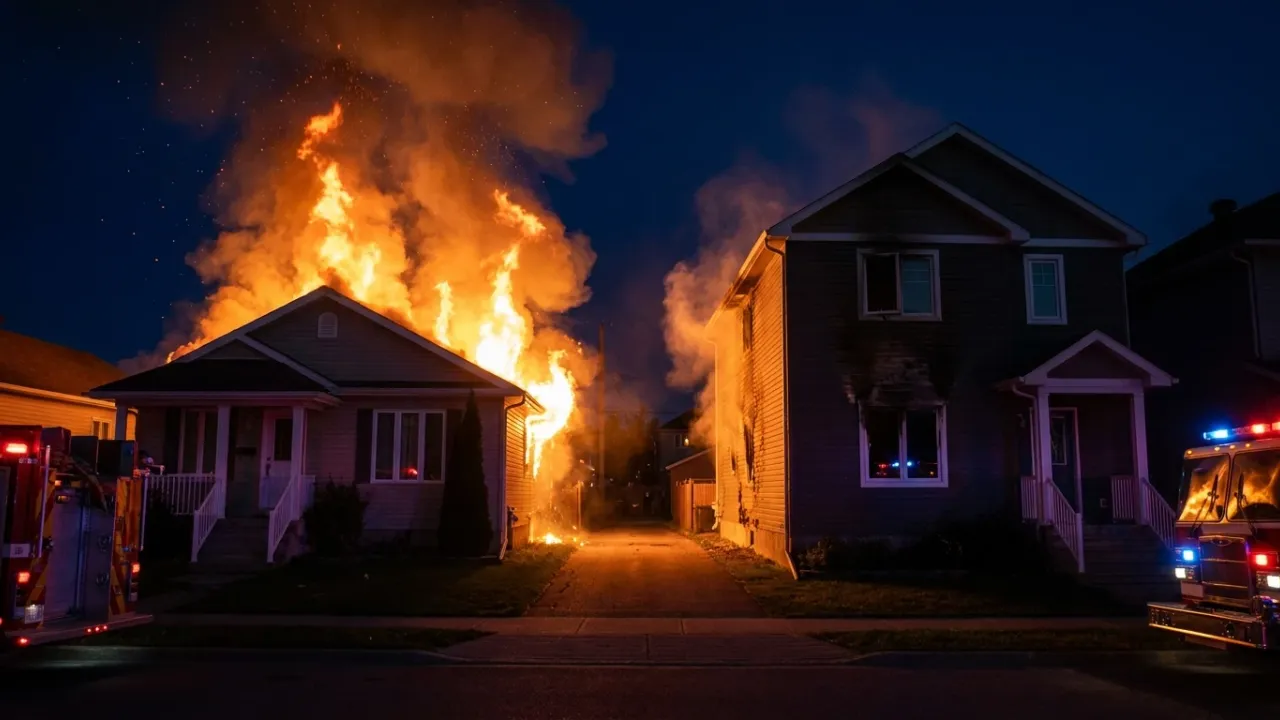
Radiant Heat: Why Fire Jumps the Gap Between Buildings
Convection burns up; radiation burns across. How radiant heat, the T⁴ law, and view factors decide whether fire ignites the house next door.
Combustion, flames, pyrolysis, and heat transfer.
Fire Fundamentals
Convection burns up; radiation burns across. How radiant heat, the T⁴ law, and view factors decide whether fire ignites the house next door.
Fire Fundamentals
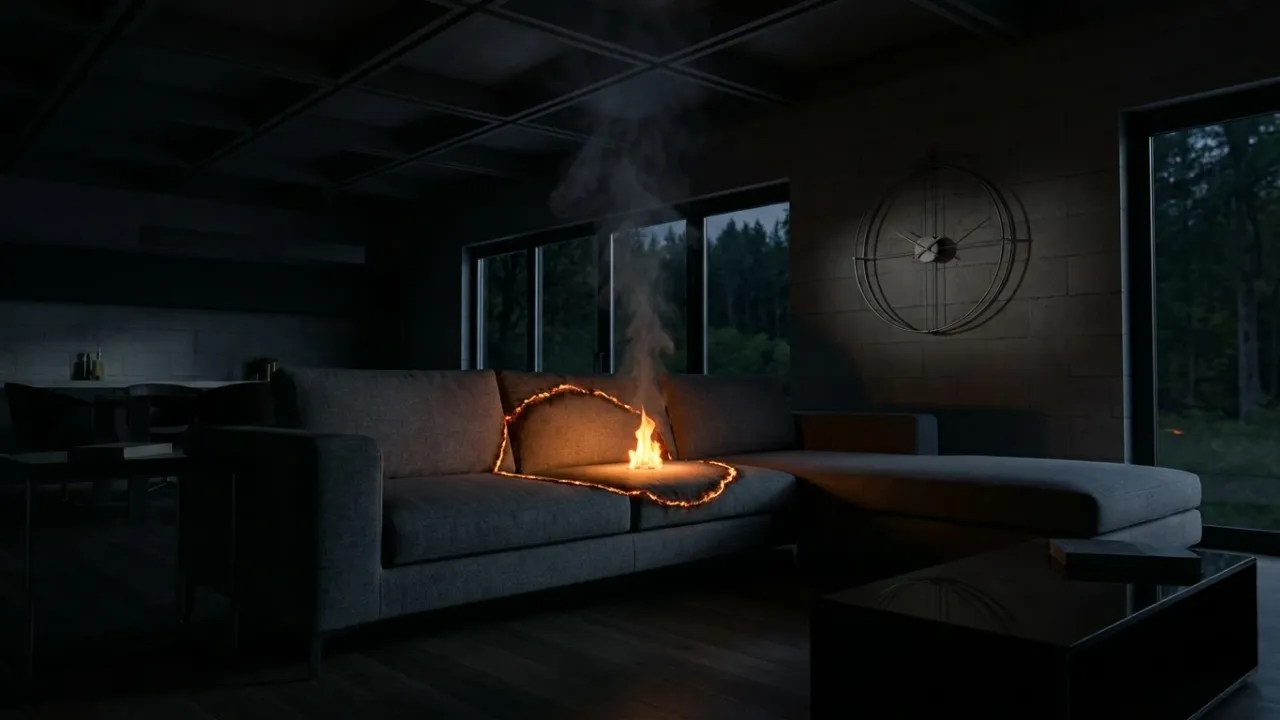
Slow, medium, fast, ultrafast: how the t-squared curve turns fire growth into numbers, and why modern fuels outrun its four classes.
Fire Fundamentals
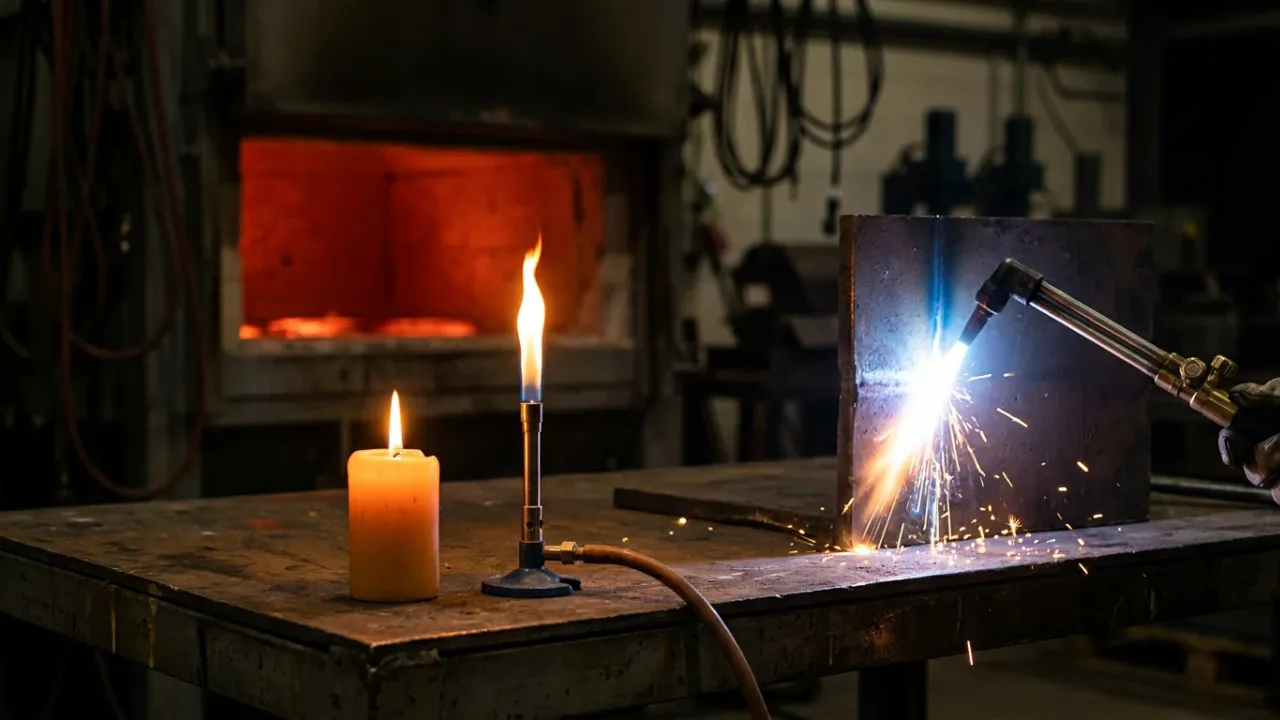
Fire has no single temperature. The adiabatic flame temperature sets a 1,950 °C ceiling, yet real fires burn at 800–1,200 °C. Here is why.
Fire Fundamentals
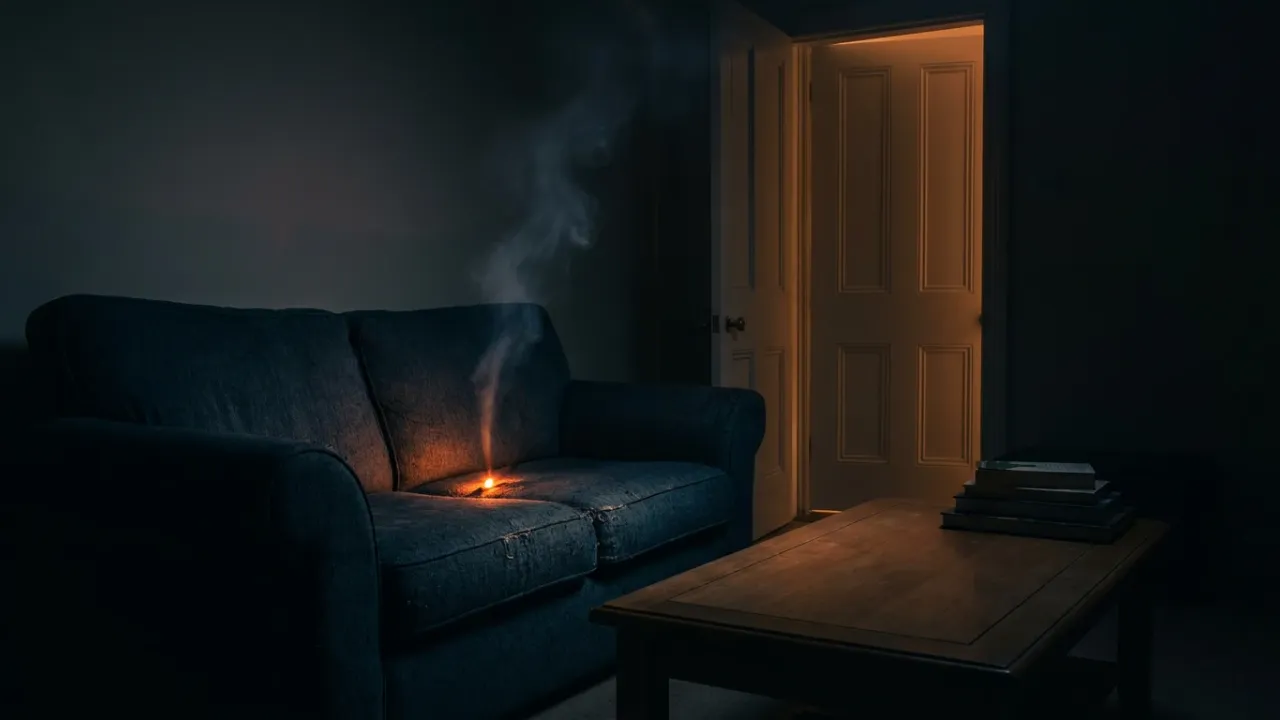
A smoldering fire shows no flame and little heat, yet it loads a house with carbon monoxide for hours while you sleep. Here is the chemistry that kills.
Fire Fundamentals
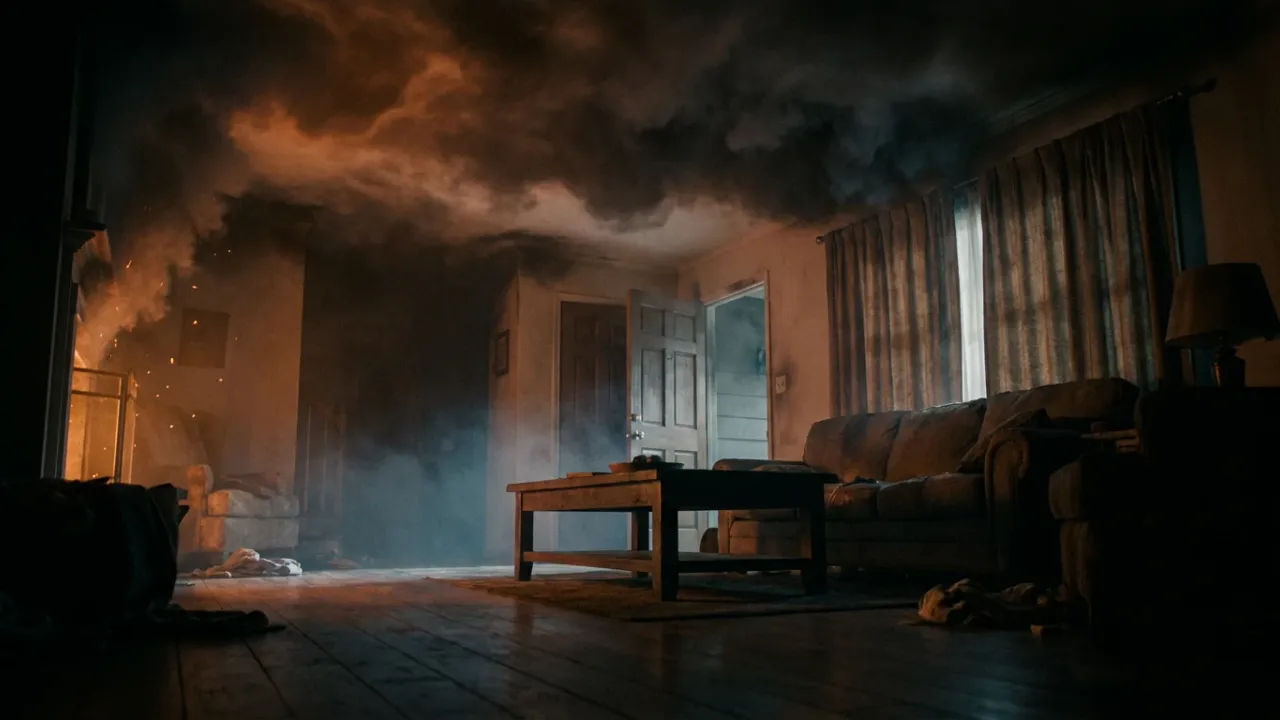
Smoke inhalation kills more fire victims than flame does. Here is the toxic upper layer, the CO and HCN dose, and the FED clock that times your escape.
Fire Fundamentals
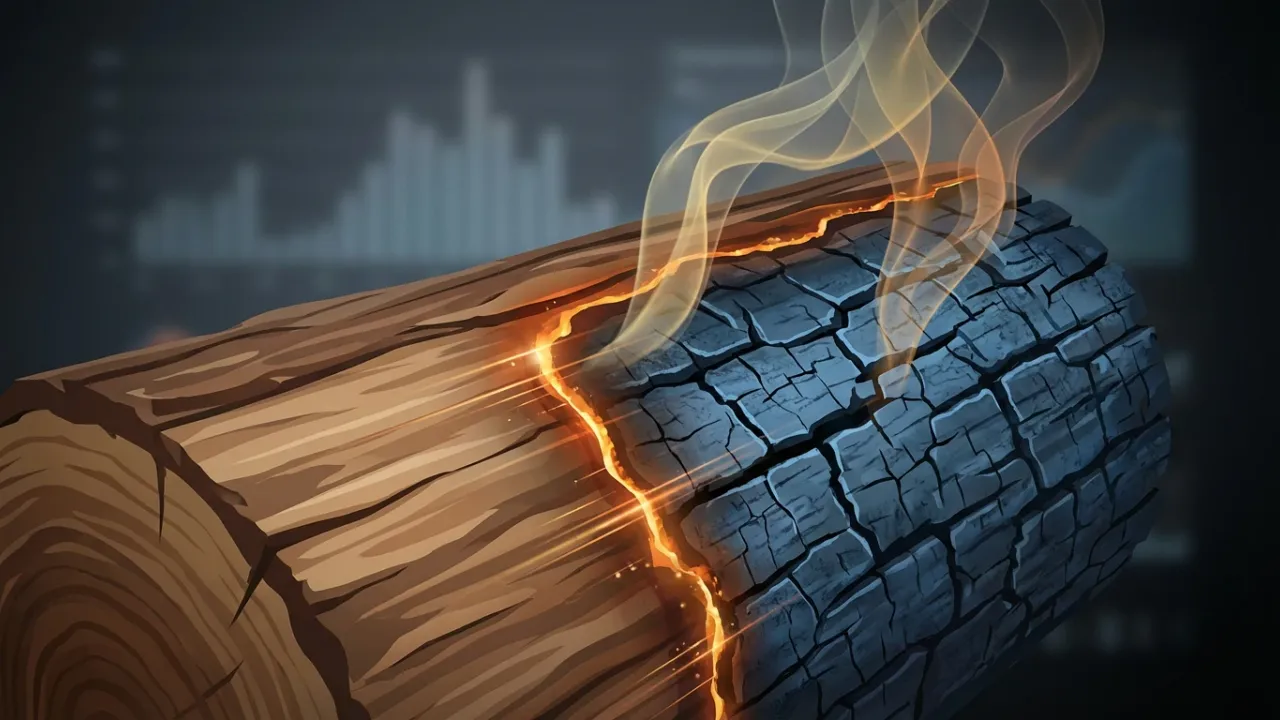
Pyrolysis — heat breaking molecular bonds without oxygen — drives wildfires, battery thermal runaway, biochar, plastic recycling, and even coffee roasting.
Fire Fundamentals
What is fire? A beginner-friendly guide to combustion, the fire triangle, flame colors, fire classes, and essential home fire safety.
Fire Fundamentals
Explore the science of fire — from radical chain reactions and flame anatomy to flashover physics and why modern homes burn 7x faster than 1950s ones.