Fire Safety Engineering
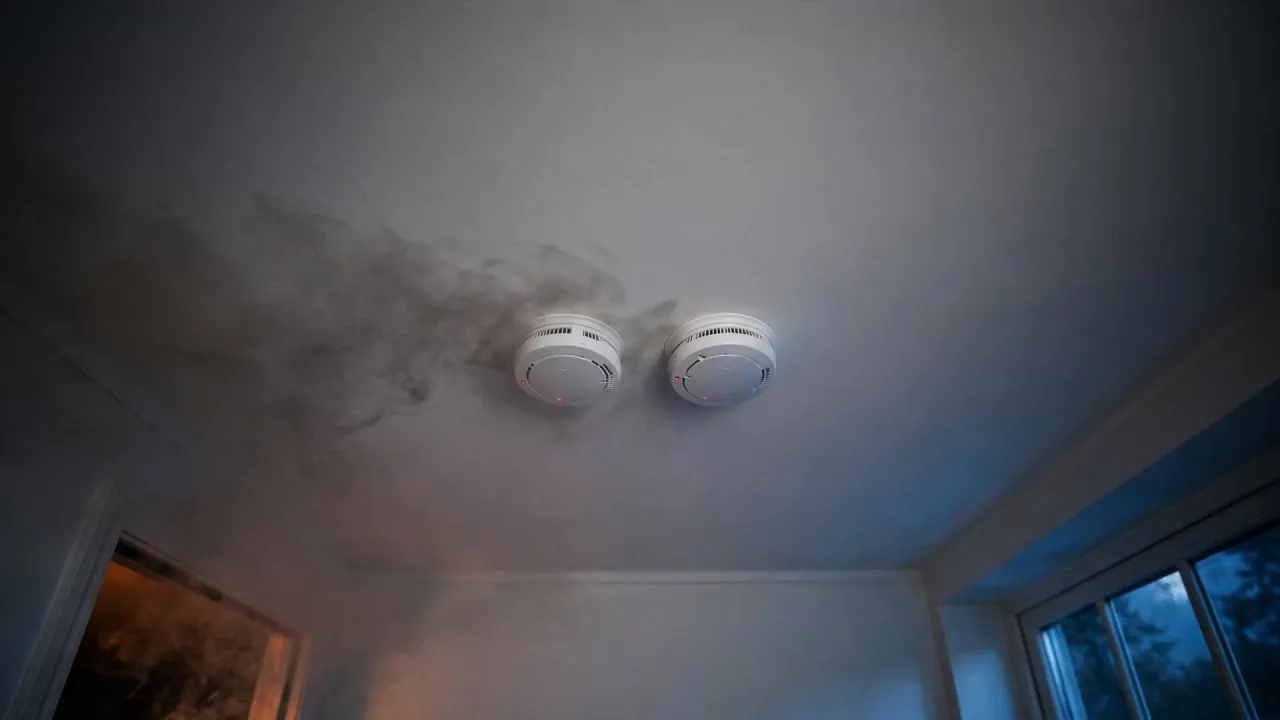
Ionization or Photoelectric Smoke Alarm? Why Experts Split
Ionization alarms beat a photoelectric smoke alarm by seconds in flaming fires, then lose by 30 minutes in smoldering ones. Here is why experts still split.
Suppression, detection, regulation, building codes.
Fire Safety Engineering
Ionization alarms beat a photoelectric smoke alarm by seconds in flaming fires, then lose by 30 minutes in smoldering ones. Here is why experts still split.
Fire Safety Engineering
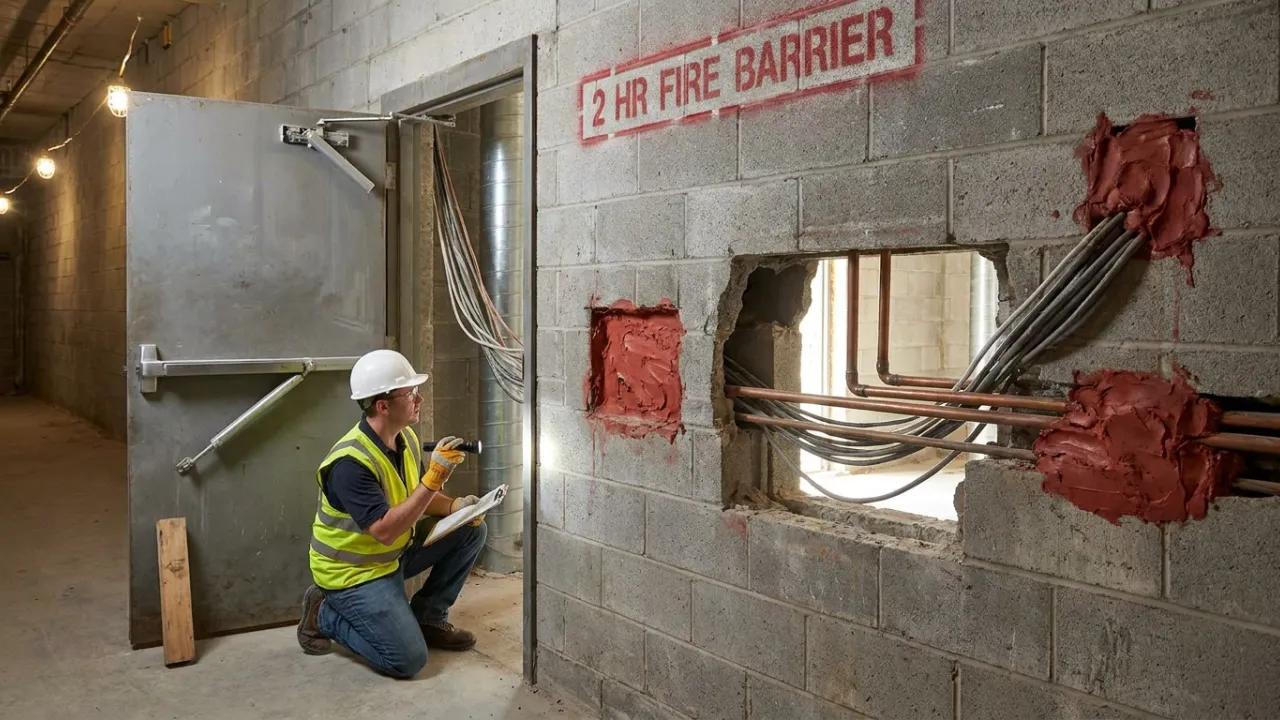
A 2-hour fire resistance rating means a wall survived a 1918 furnace curve, not a real fire. Here is what the test proves, and where it falls short.
Fire Safety Engineering
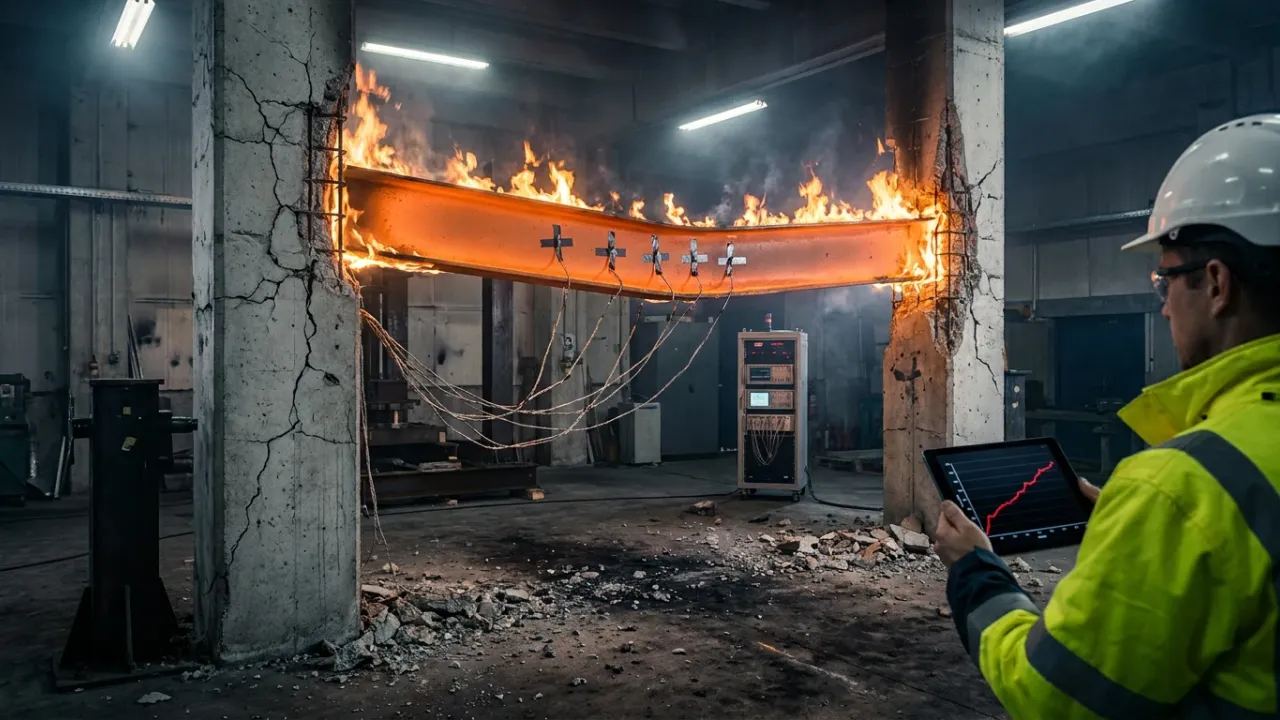
The 550 °C critical temperature of steel comes from a load ratio, not from metallurgy. Here is the real physics, and why hot concrete explodes.

Fire Safety Engineering
ASET vs RSET decides whether a building passes. Here come the timeline, the tenability limits, the equations, and the one term that swings the answer most.
Fire Safety Engineering
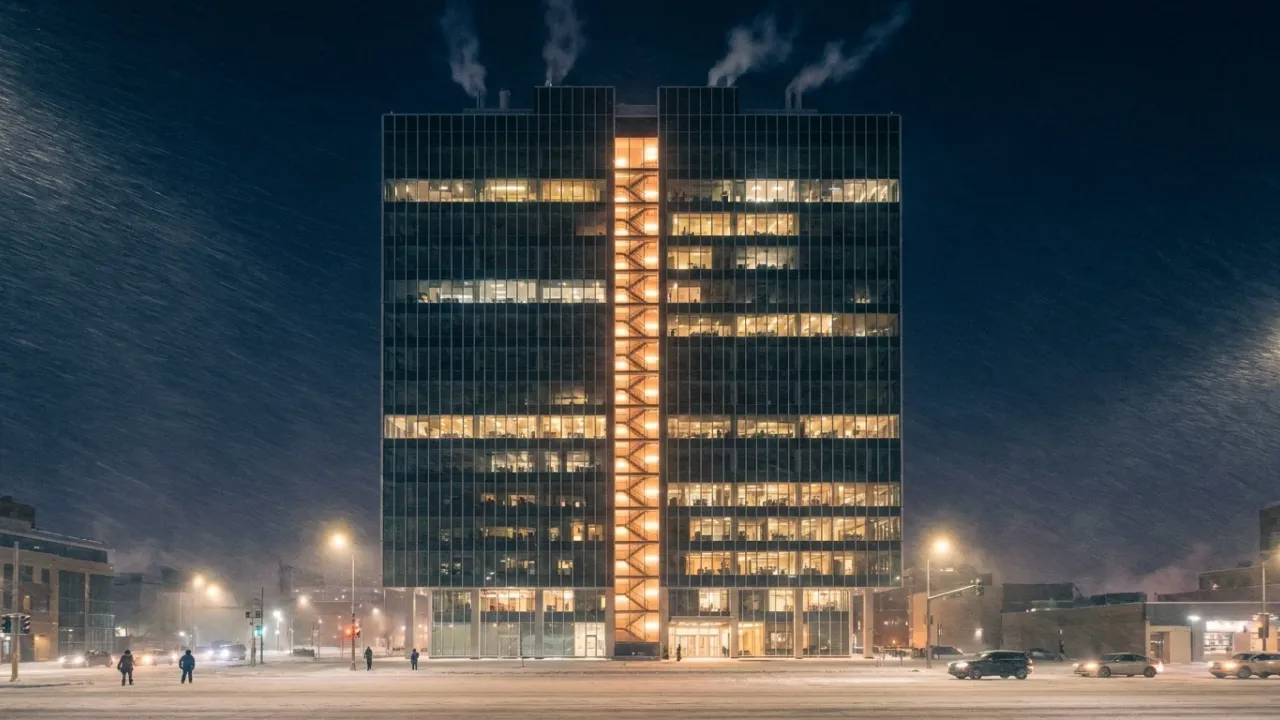
On the coldest night of the year, stack effect can reverse a stairwell pressurization system and pull smoke into the stairs occupants flee through.
Fire Safety Engineering
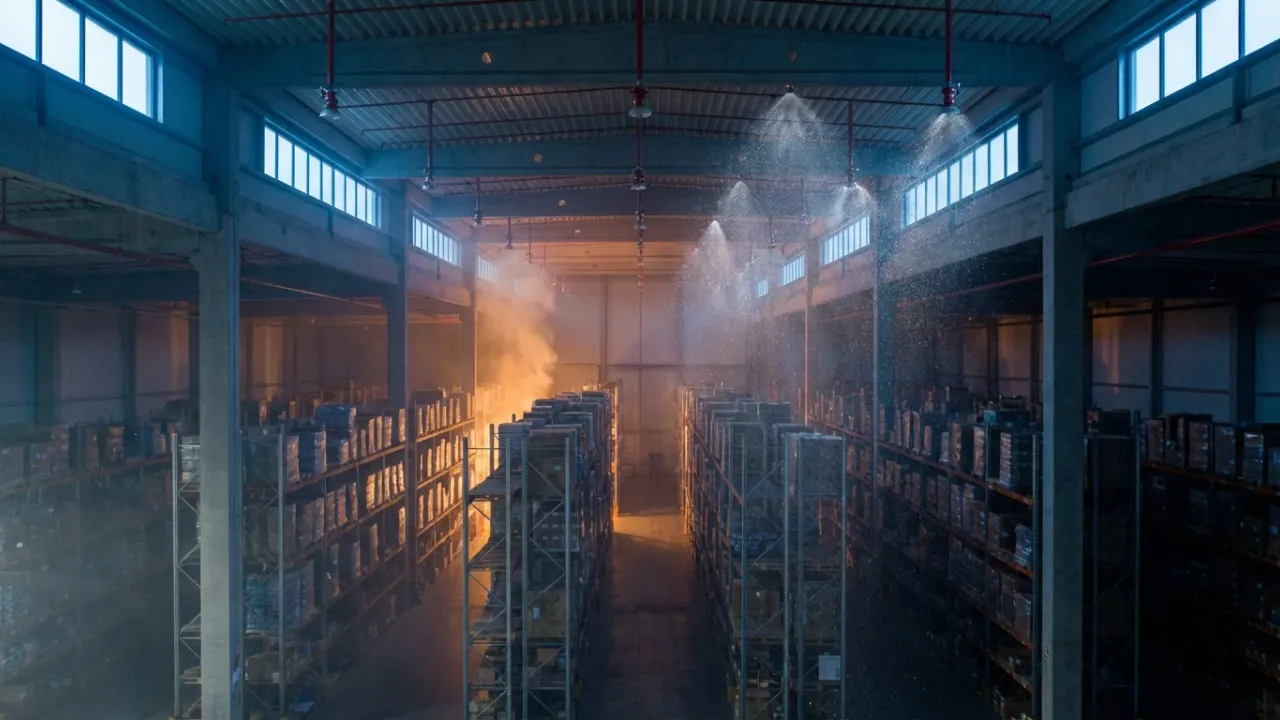
The five sprinkler design mistakes that show up again and again in fire loss data — from commodity errors to ESFR clear-zone failures and cold-storage timing.