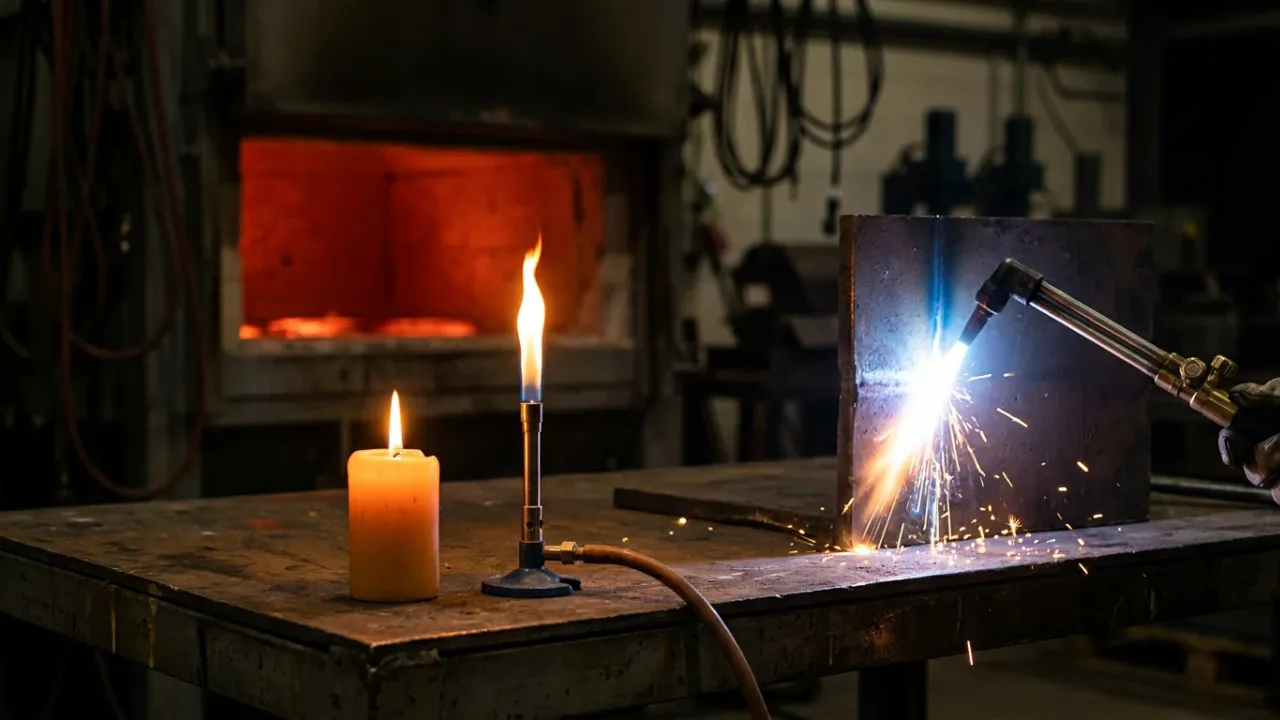
Fire Fundamentals
How Hot Is Fire? Adiabatic Flame Temperature vs Reality
Fire has no single temperature. The adiabatic flame temperature sets a 1,950 °C ceiling, yet real fires burn at 800–1,200 °C. Here is why.
6 articles.
Fire Fundamentals
Fire has no single temperature. The adiabatic flame temperature sets a 1,950 °C ceiling, yet real fires burn at 800–1,200 °C. Here is why.
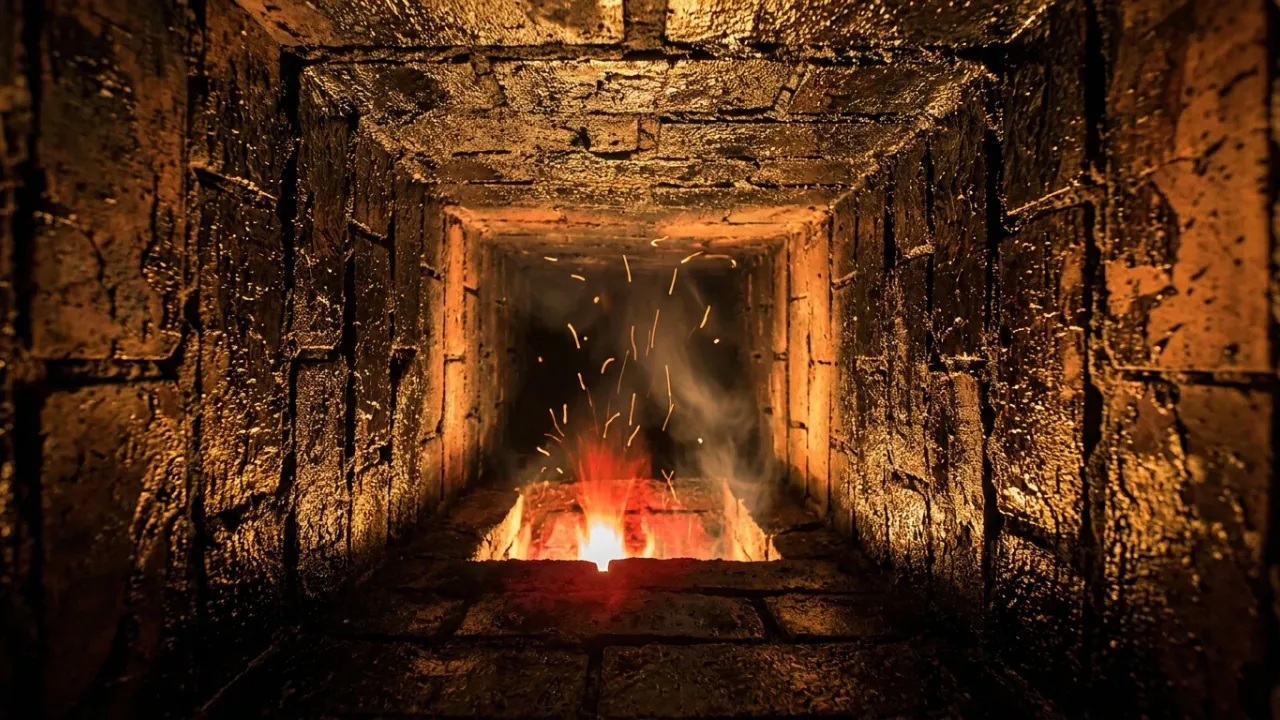
Fire in Daily Life
A chimney fire can hit 1090 °C and crack a clay flue liner in minutes. Here is the creosote science behind it, and why an annual sweep stops it.
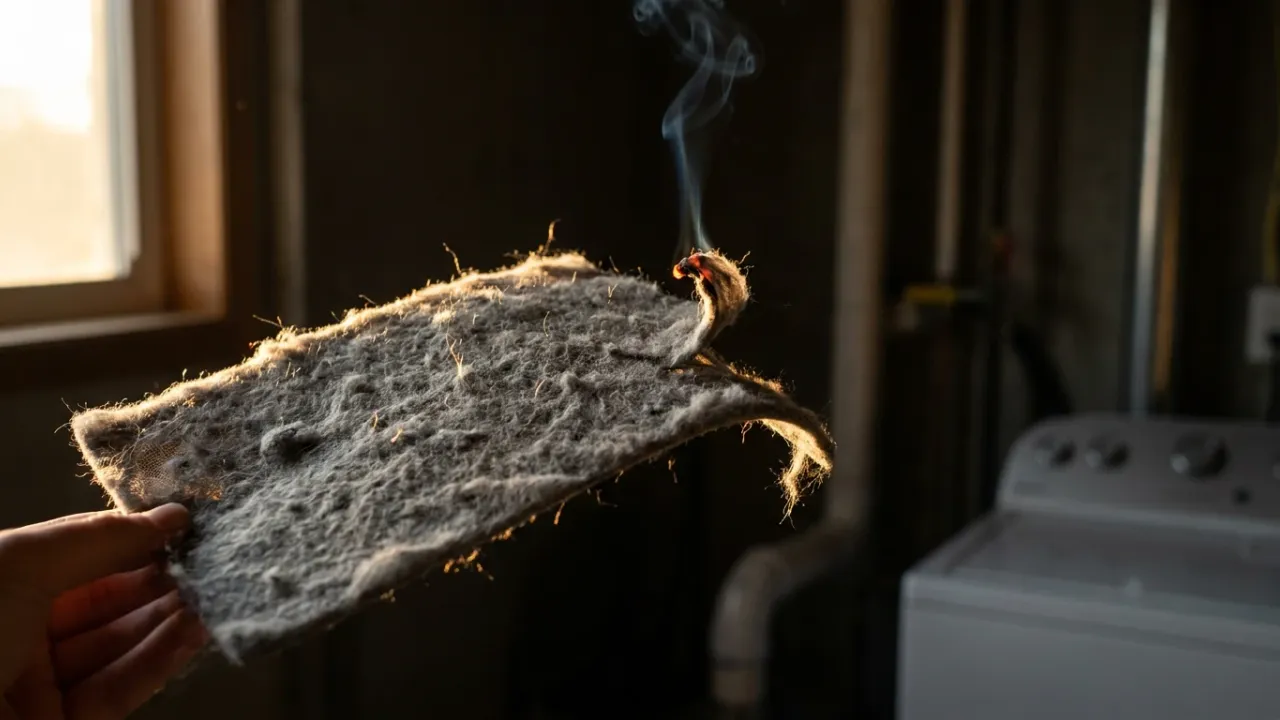
Fire in Daily Life
A dryer fire almost always starts with lint. Here is the surface-area physics that turns soft fluff into fast fuel, plus the simple habit that prevents it.
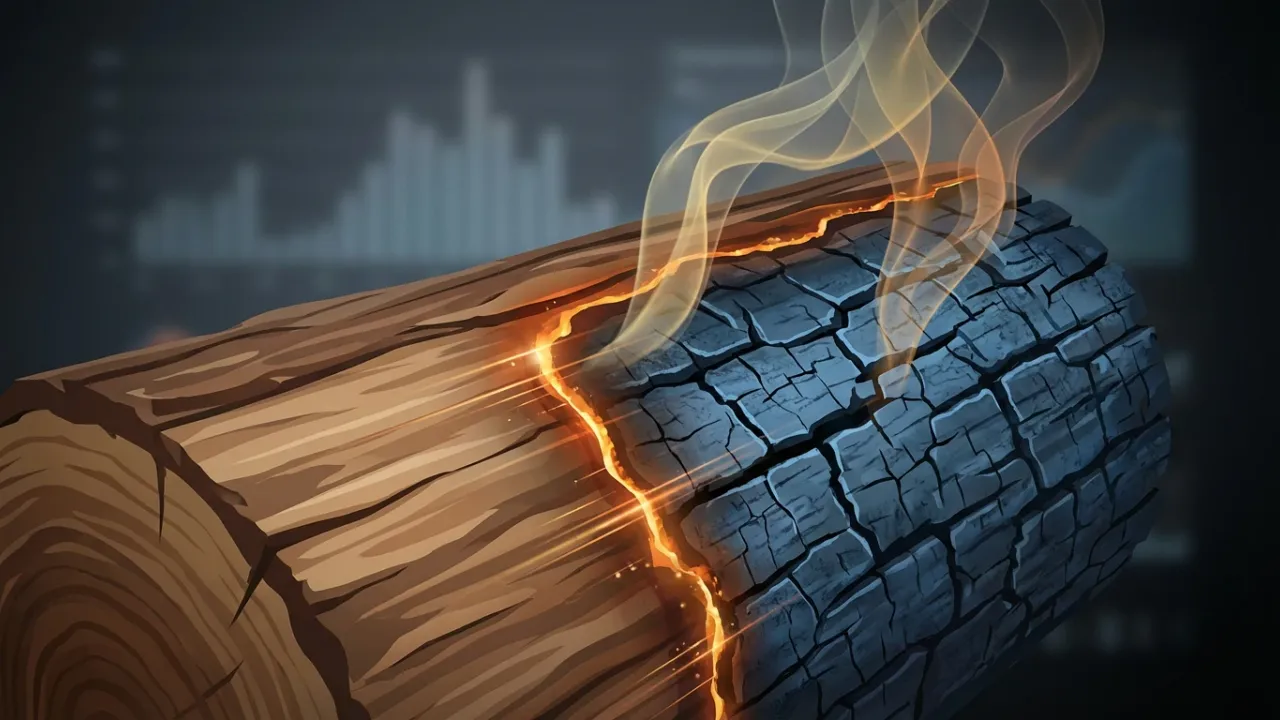
Fire Fundamentals
Pyrolysis — heat breaking molecular bonds without oxygen — drives wildfires, battery thermal runaway, biochar, plastic recycling, and even coffee roasting.
Fire Fundamentals
What is fire? A beginner-friendly guide to combustion, the fire triangle, flame colors, fire classes, and essential home fire safety.
Fire Fundamentals
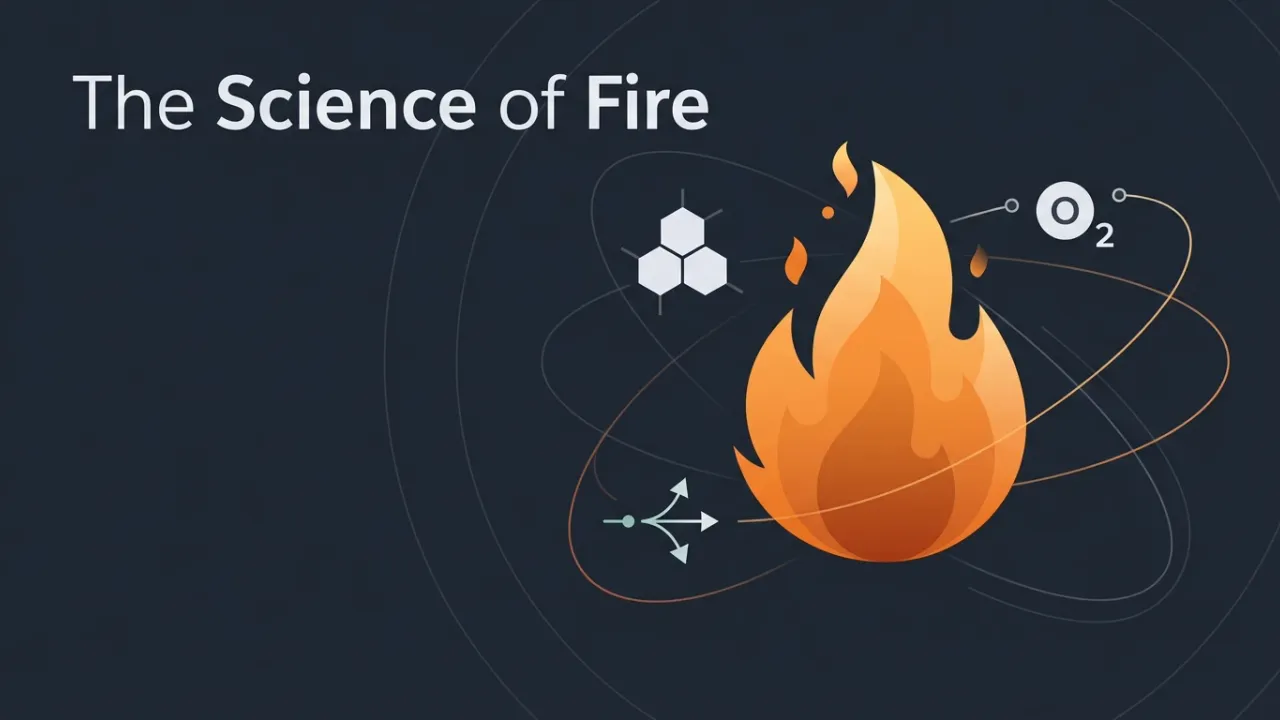
Explore the science of fire — from radical chain reactions and flame anatomy to flashover physics and why modern homes burn 7x faster than 1950s ones.