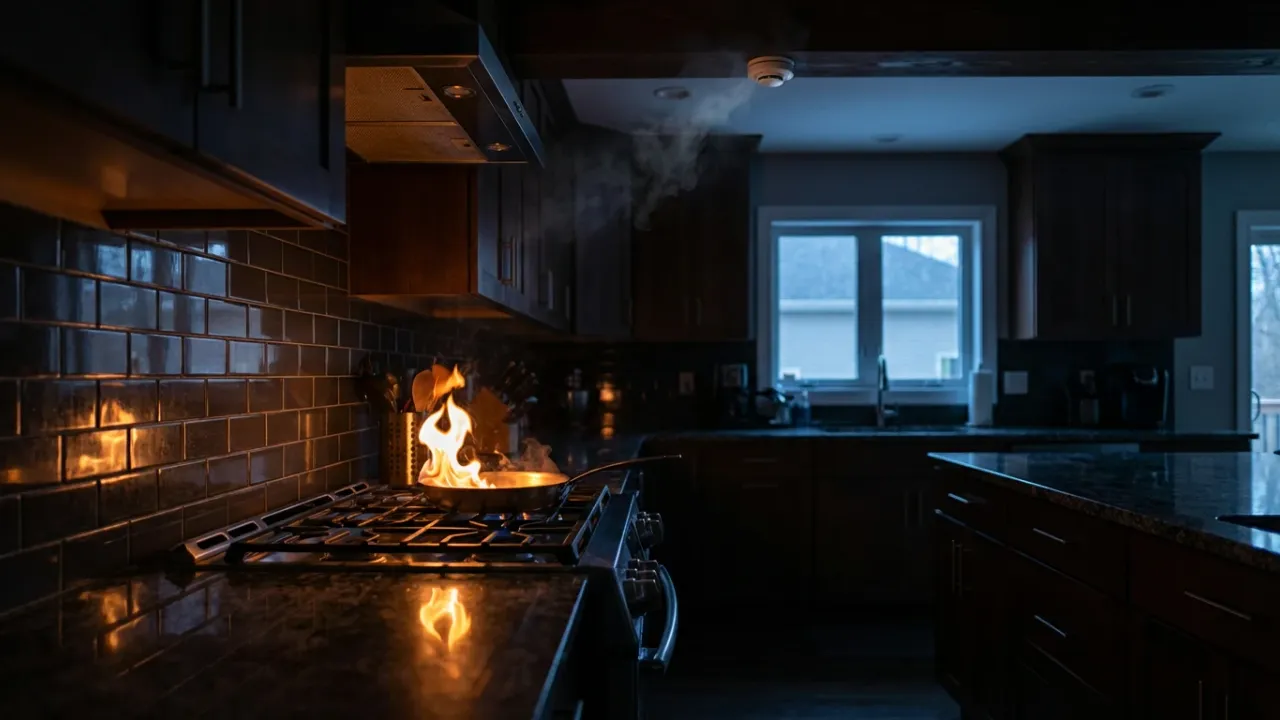
Fire in Daily Life
The Science of a Kitchen Fire: Why Water Makes It Worse
A kitchen fire starts when cooking oil creeps up to its 368 °C autoignition point. Here's the physics of why water makes a burning pan catastrophically worse.
Page 4 of 4.
Fire in Daily Life
A kitchen fire starts when cooking oil creeps up to its 368 °C autoignition point. Here's the physics of why water makes a burning pan catastrophically worse.
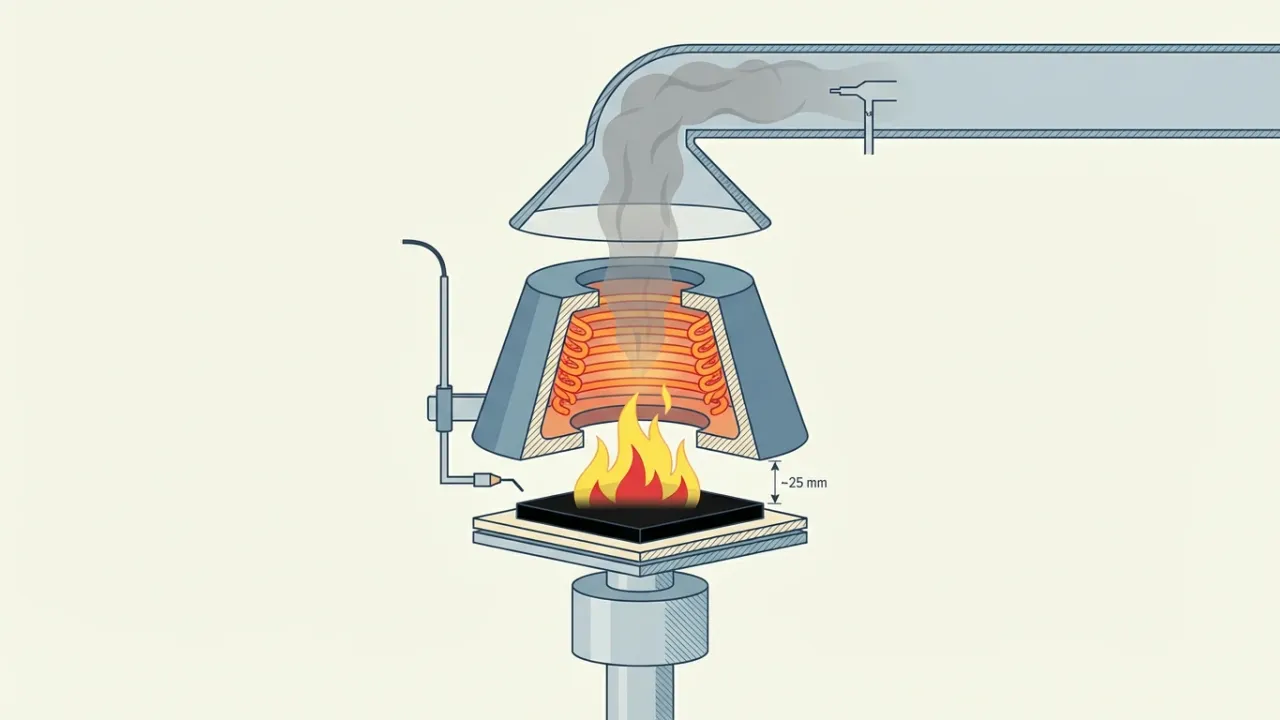
Fire Testing
What a cone calorimeter measures — peak heat release rate, total heat release, and MARHE — plus the oxygen-consumption math behind every number.
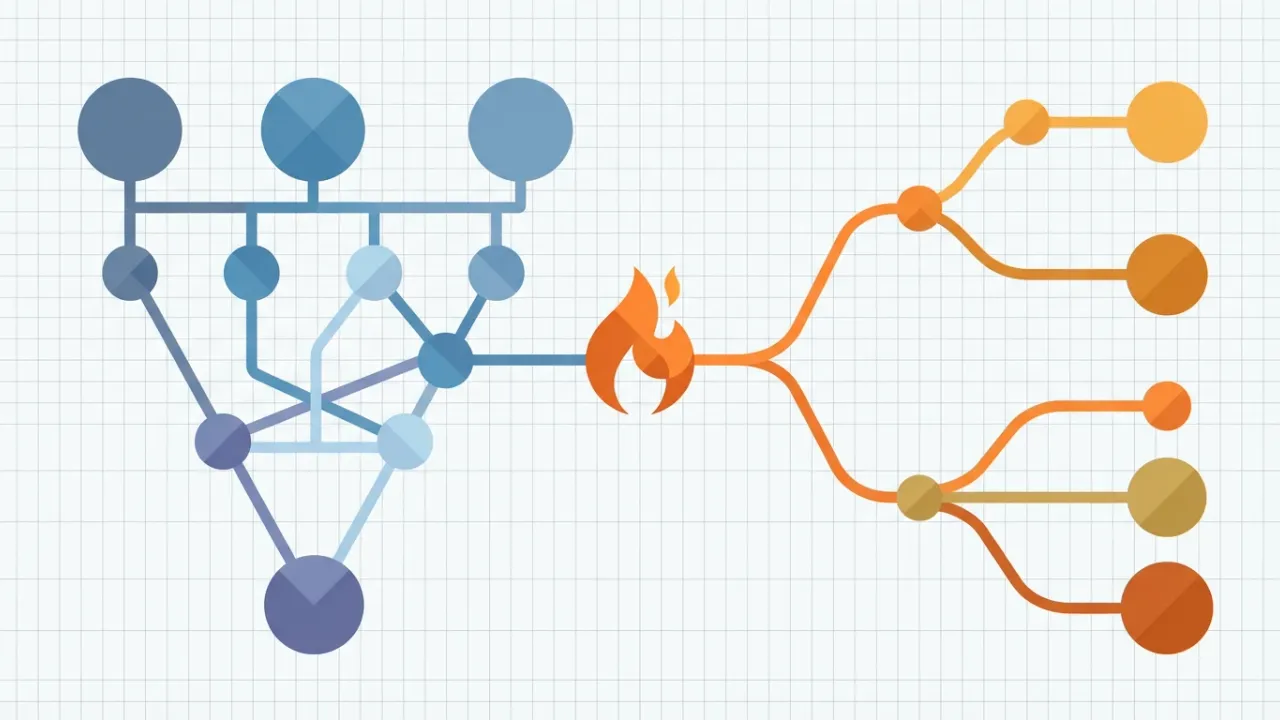
Fire Risk Assessment
A fault tree asks how a fire happens; an event tree asks what happens next. The logic, the algebra, and a worked warehouse example.
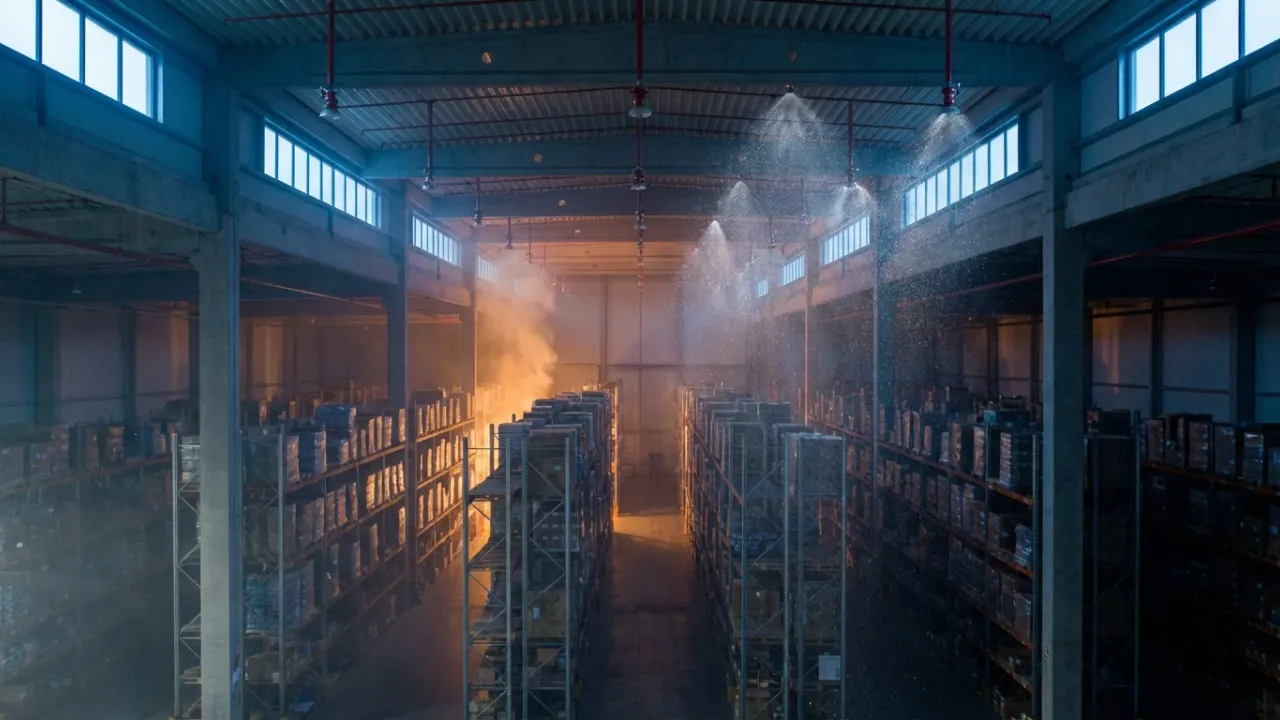
Fire Safety Engineering
The five sprinkler design mistakes that show up again and again in fire loss data — from commodity errors to ESFR clear-zone failures and cold-storage timing.
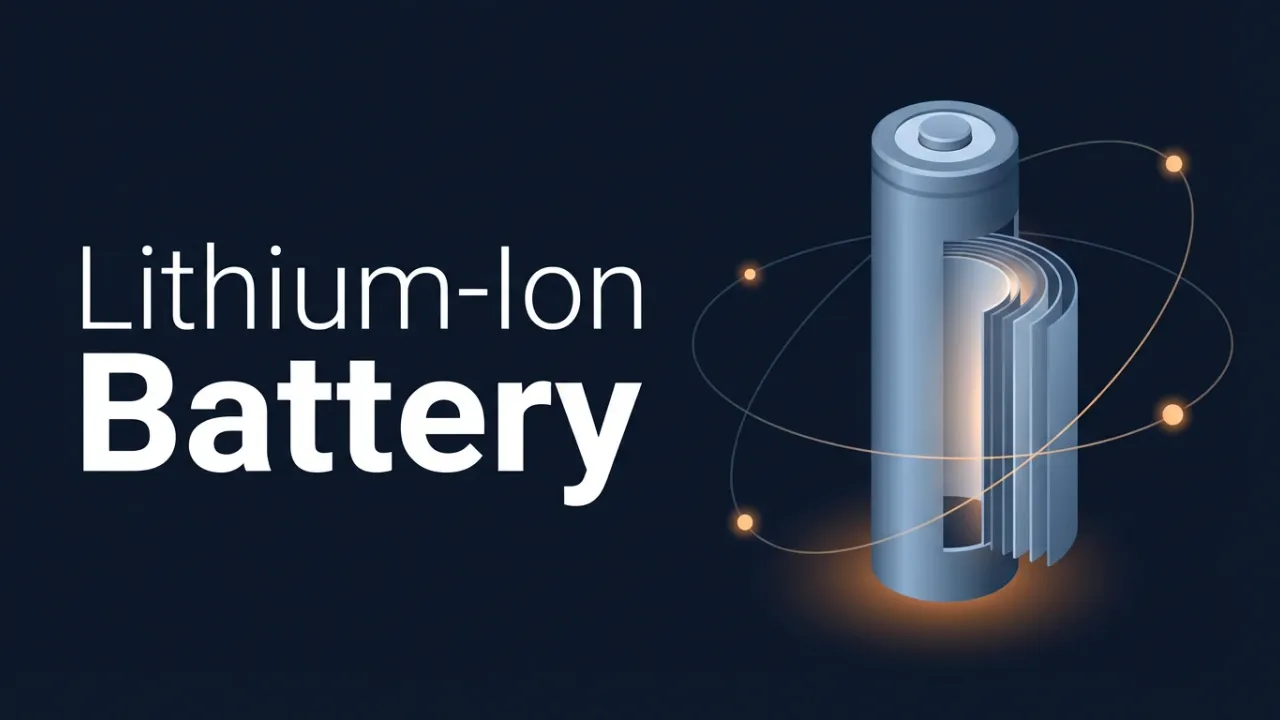
Battery Fire Safety
What a lithium-ion battery is, how the 'rocking chair' of ions works, and why this Nobel-winning chemistry also carries real fire risk.
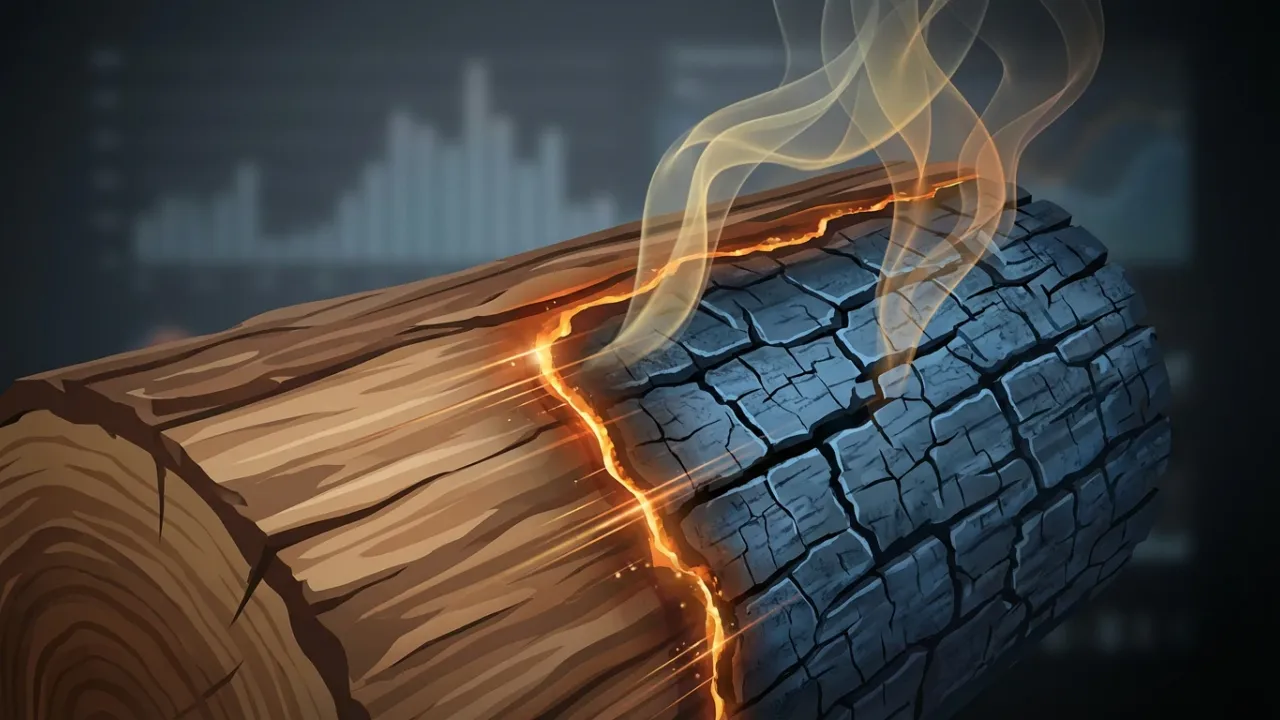
Fire Fundamentals
Pyrolysis — heat breaking molecular bonds without oxygen — drives wildfires, battery thermal runaway, biochar, plastic recycling, and even coffee roasting.
Fire Fundamentals
What is fire? A beginner-friendly guide to combustion, the fire triangle, flame colors, fire classes, and essential home fire safety.
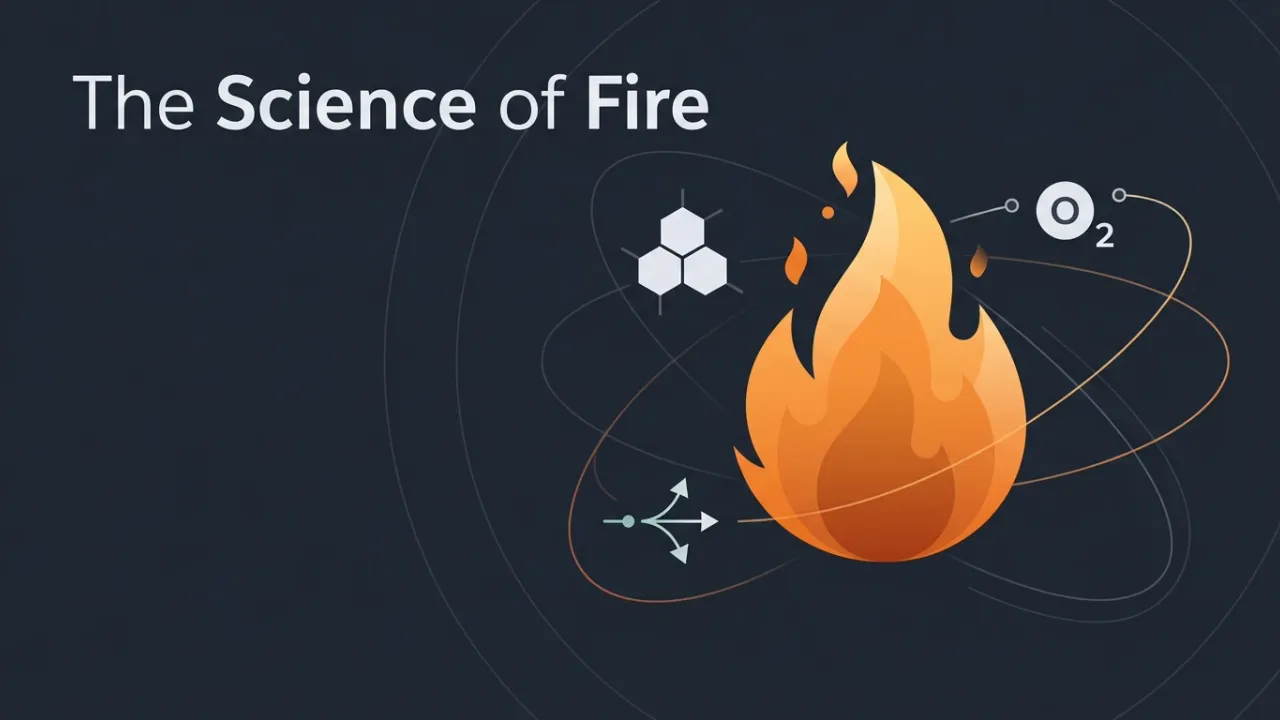
Fire Fundamentals
Explore the science of fire — from radical chain reactions and flame anatomy to flashover physics and why modern homes burn 7x faster than 1950s ones.