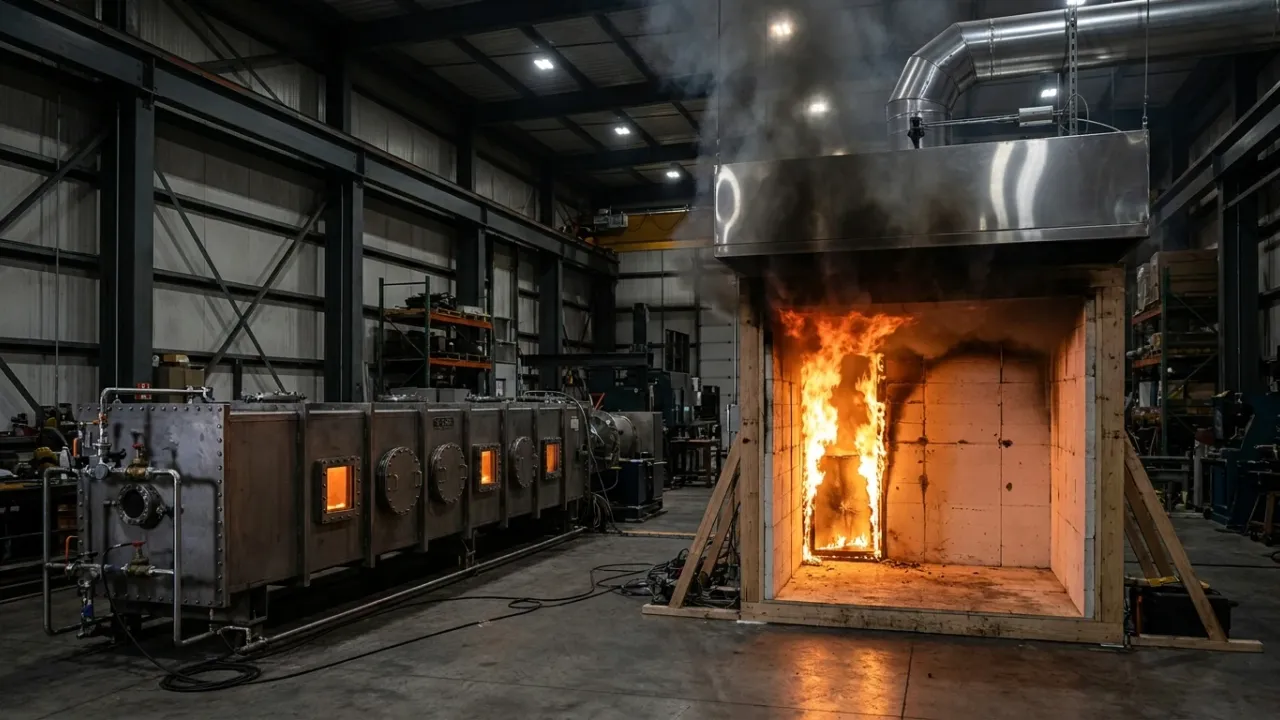
Fire Testing
ASTM E84 vs ISO 9705: Why Fire Tests Disagree on Walls
How the ASTM E84 Steiner Tunnel and the ISO 9705 room corner test can rate the same wall lining Class A and a flashover hazard, and which to trust.
Page 3 of 4.
Fire Testing
How the ASTM E84 Steiner Tunnel and the ISO 9705 room corner test can rate the same wall lining Class A and a flashover hazard, and which to trust.
Fire Testing
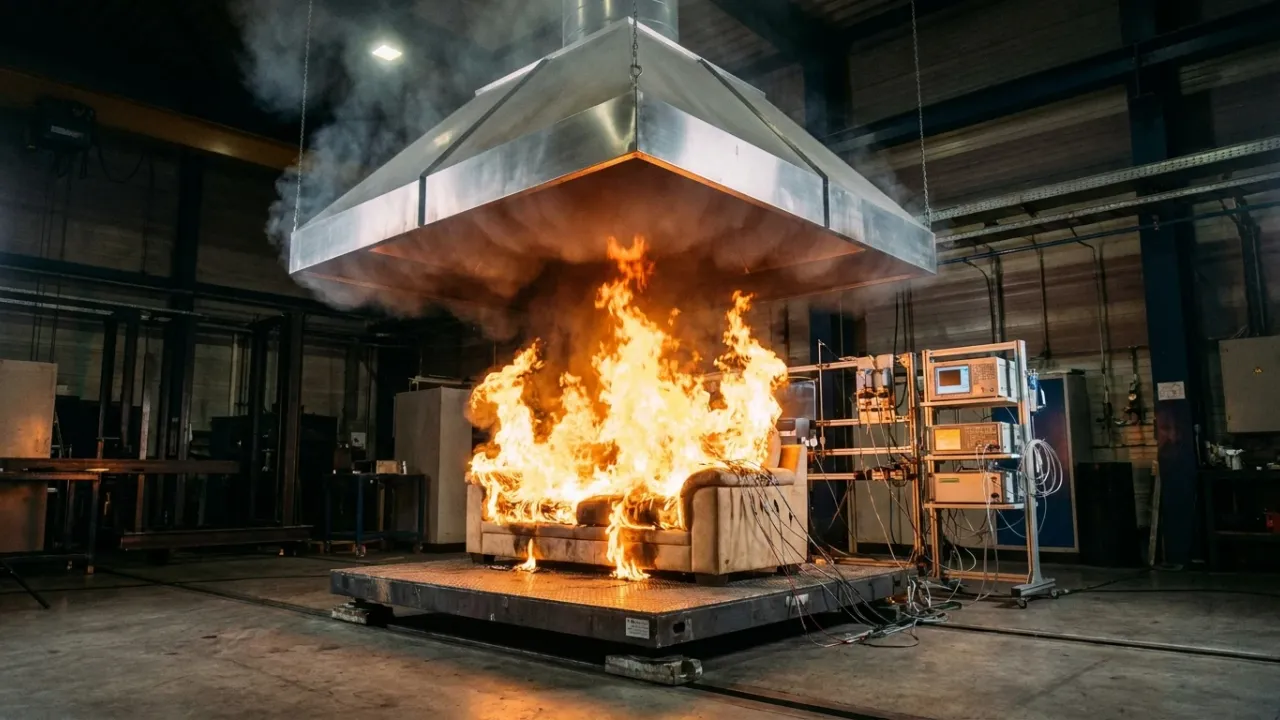
Why heat release rate is the single most important number in fire science: how labs measure it, what it predicts, and why it outranks smoke toxicity.

Fire Fundamentals
Smoke inhalation kills more fire victims than flame does. Here is the toxic upper layer, the CO and HCN dose, and the FED clock that times your escape.
Fire in Daily Life
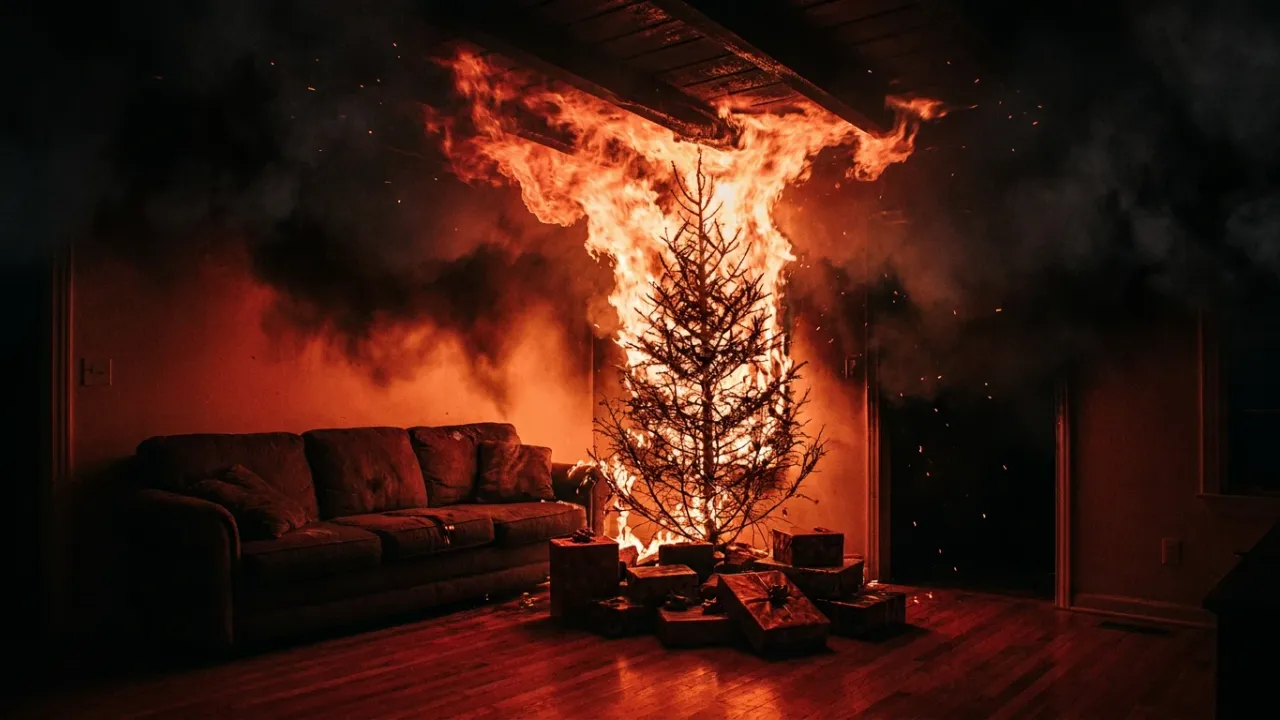
A dry Christmas tree fire can hit 7 megawatts and flash a whole room in under a minute. Here is the NIST science, second by second, and why water stops it.
Fire in Daily Life
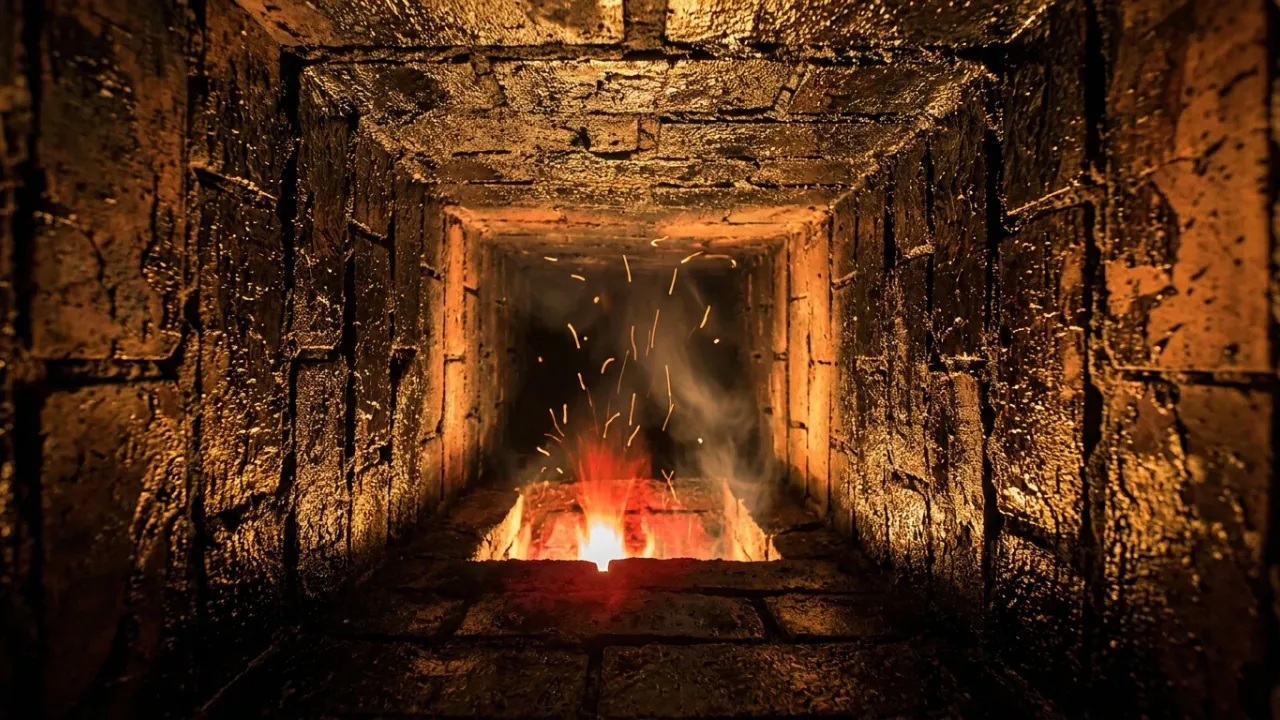
A chimney fire can hit 1090 °C and crack a clay flue liner in minutes. Here is the creosote science behind it, and why an annual sweep stops it.

Fire in Daily Life
A dryer fire almost always starts with lint. Here is the surface-area physics that turns soft fluff into fast fuel, plus the simple habit that prevents it.

Fire Safety Engineering
On the coldest night of the year, stack effect can reverse a stairwell pressurization system and pull smoke into the stairs occupants flee through.

Battery Fire Safety
In one year, New York logged 268 lithium-ion battery fires and 18 deaths from e-bikes and e-scooters — and rewrote micromobility safety law.
Battery Fire Safety
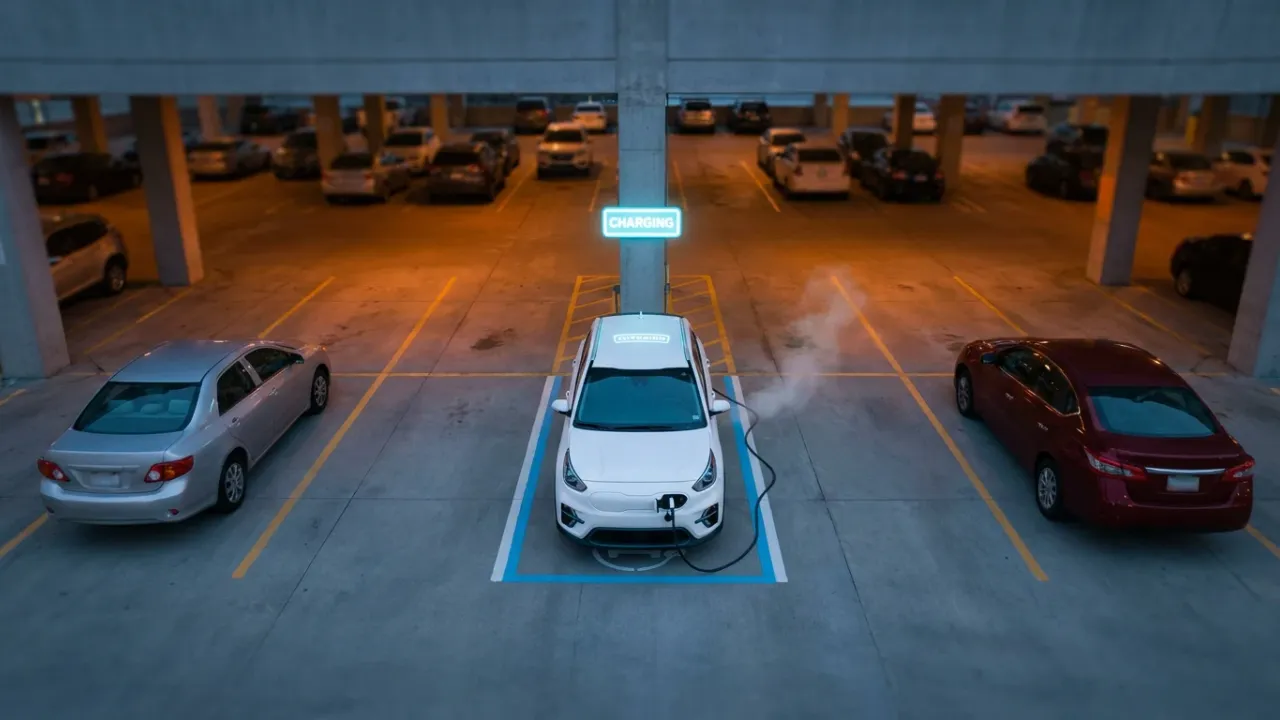
Across U.S., Swedish, Australian, Norwegian and Polish data, EV fires happen 20 to 80 times less often than gas car fires per registered vehicle.
Fire Risk Assessment
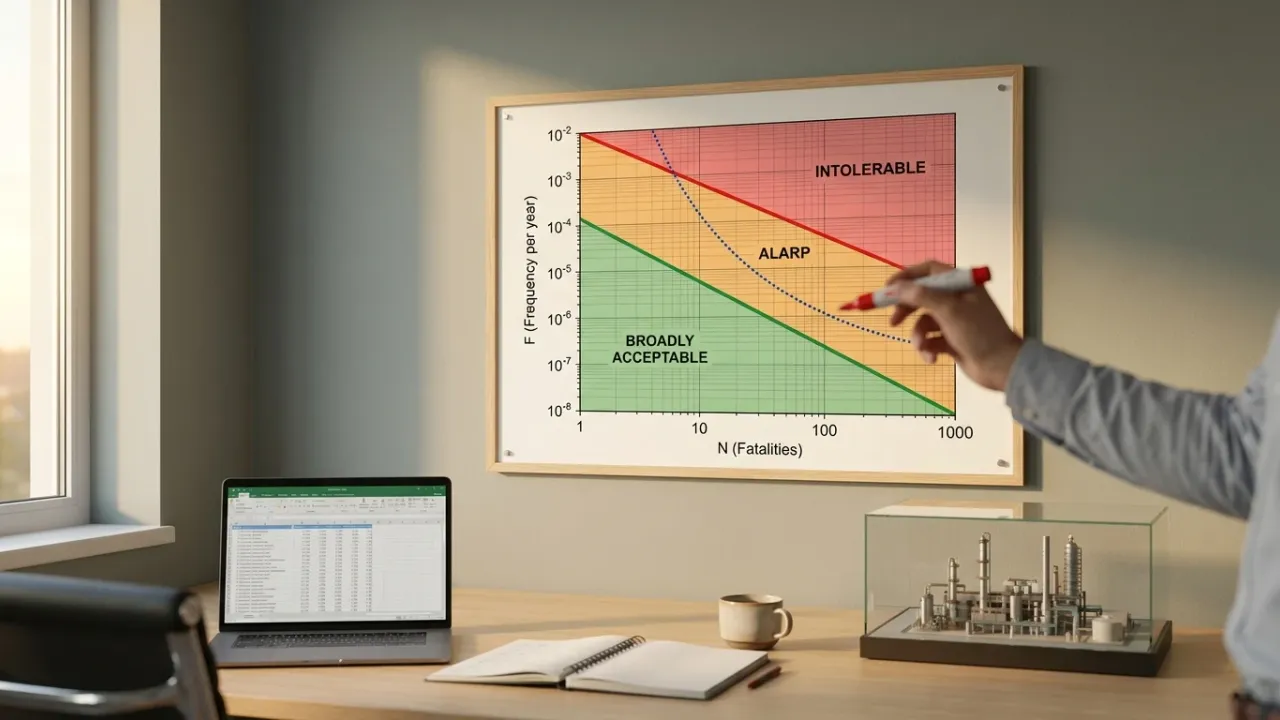
An F-N curve maps the societal risk a regulator will tolerate. Here is the math, the slope, the ALARP carpet, and where each sector draws the line.
Battery Fire Safety
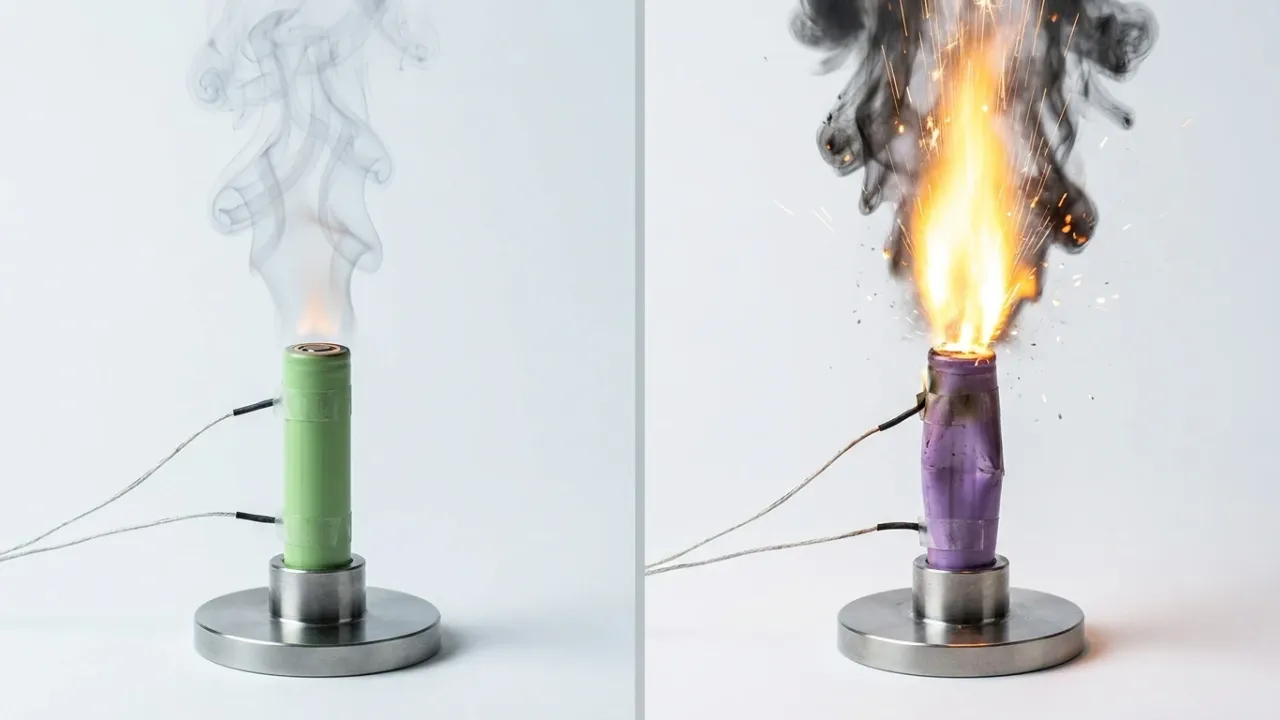
LFP vs NMC battery chemistry sets the fire risk before any vent opens. Here is why one chemistry burns hotter, vents more gas, and explodes more often.
Battery Fire Safety
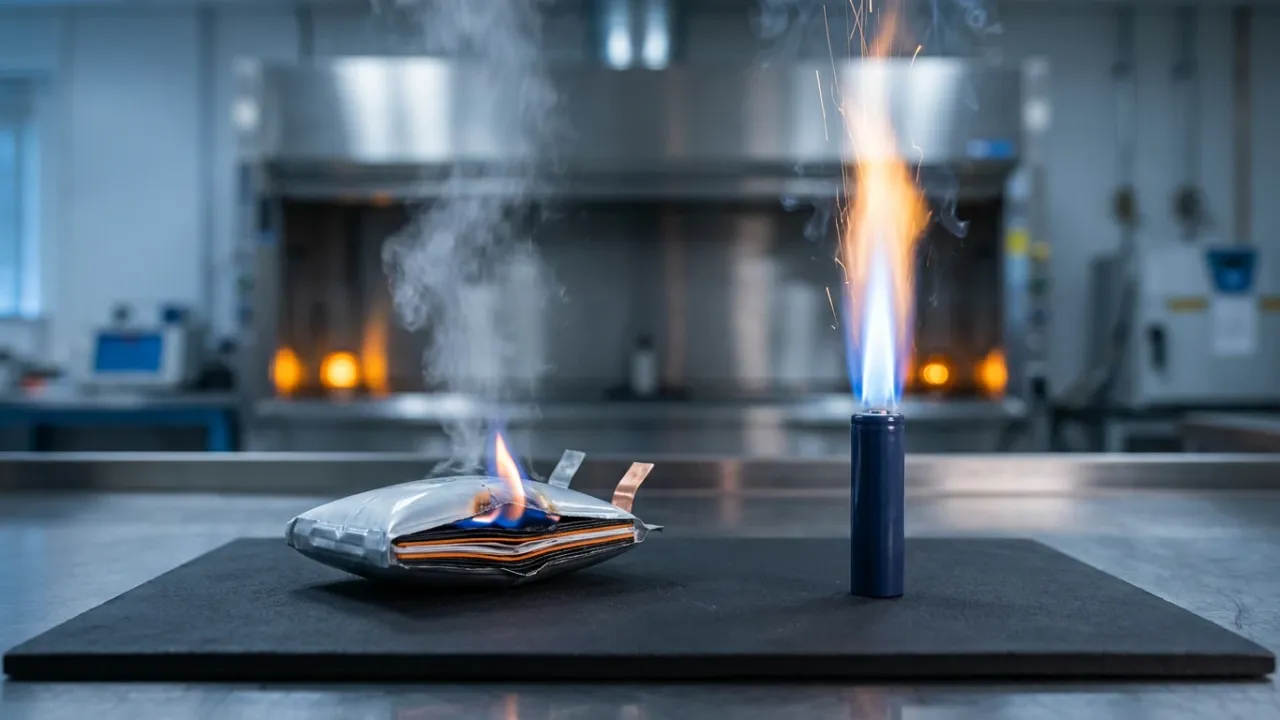
A LiPo battery is a lithium-ion battery. The polymer only names the gel and pouch. Here is why that matters for fire safety.